
Coordinated Community Response to Domestic Violence: a workshop in Minnesota (USA)

Violence against women and girls is a global challenge that requires effective, comprehensive and immediate policy solutions. Recent data shows that at least 30% of women worldwide have suffered physical and/or sexual intimate partner violence,  confirming the urgency of the matter on a global scale. Fortunately, in some parts of the world, local initiatives and frameworks have already proven highly successful in tackling gender-based and domestic violence, which can serve as examples to the global community.

The “Coordinated Community Response (CCR) to Domestic Violence” implemented in Minnesota (USA) is one of those initiatives. Also known as the “Duluth Model”, the method has been successfully protecting women from domestic violence for more than 30 years. For this, it was awarded the 2014 Future Policy Award as the world’s best policy addressing domestic violence. In April 2016, our team travelled to Minnesota, US, to facilitate a workshop that aimed to spread this comprehensive policy to other communities.

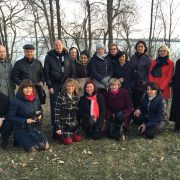
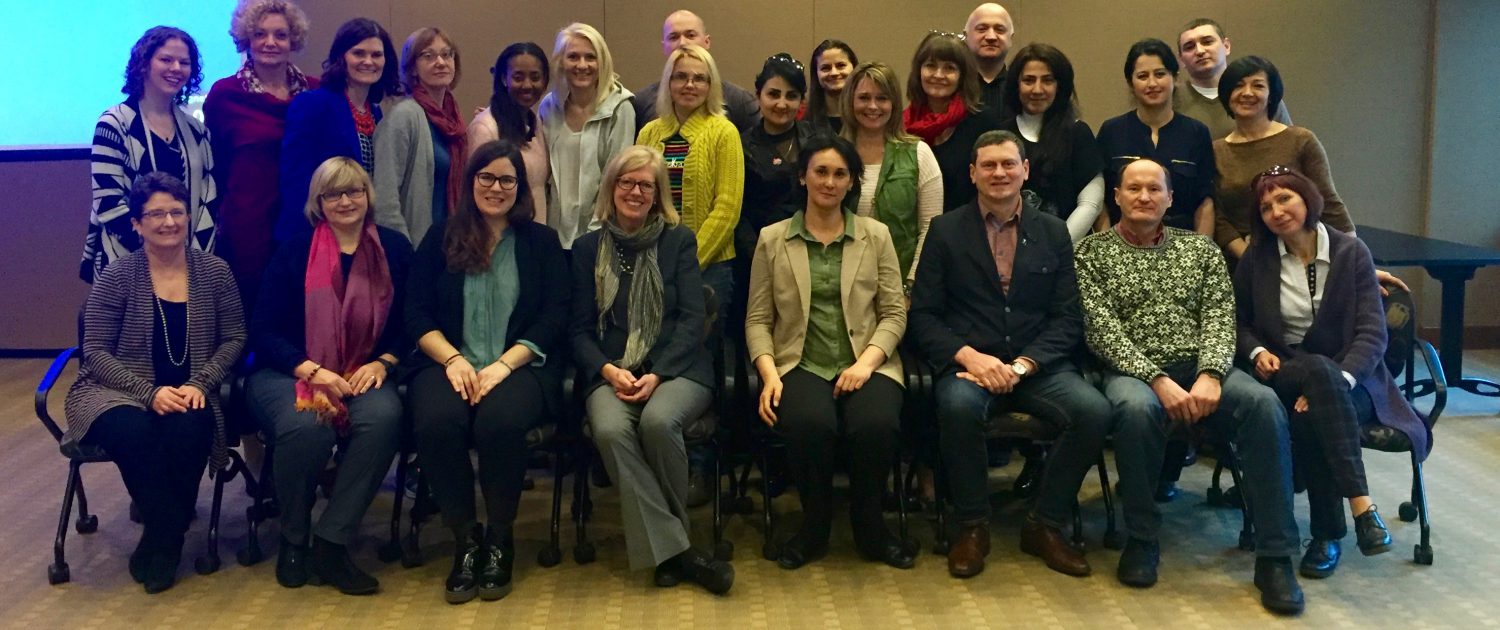
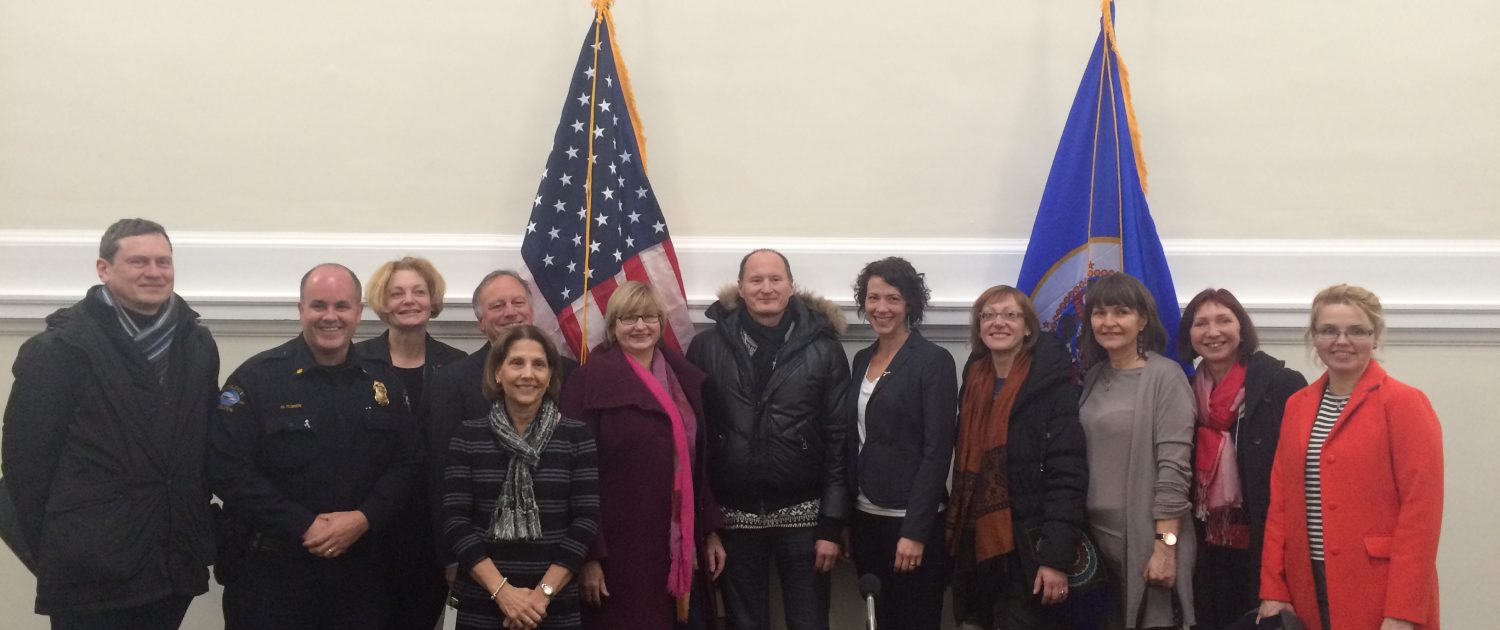
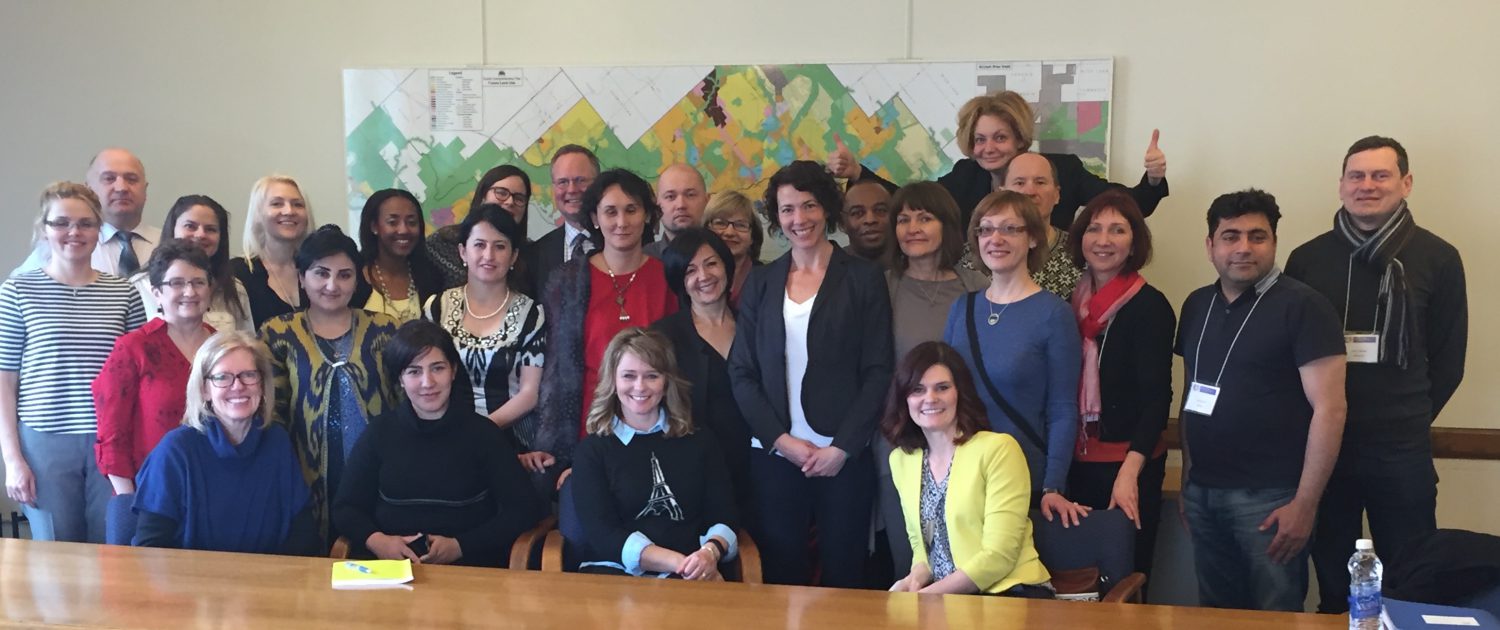
The “Coordinated Community Response (CCR) to Domestic Violence” workshop brought together advocates, law enforcement officers, legal professionals and policy-makers from six different countries (Kazakhstan, Latvia, Lithuania, Pakistan, Tajikistan, and Trinidad & Tobago) to explore and witness first-hand the key principles of CCR as it is being implemented in Duluth (Minnesota, USA). This method, also referred to as the “Duluth Model”, promotes cooperation of all relevant actors, such as police and probation officers, prosecutors, and NGO advocates, working to prevent and combat domestic violence. This coordination effort proves as a highly effective approach for the implementation of domestic violence laws and focuses on victims’ safety and offender accountability.

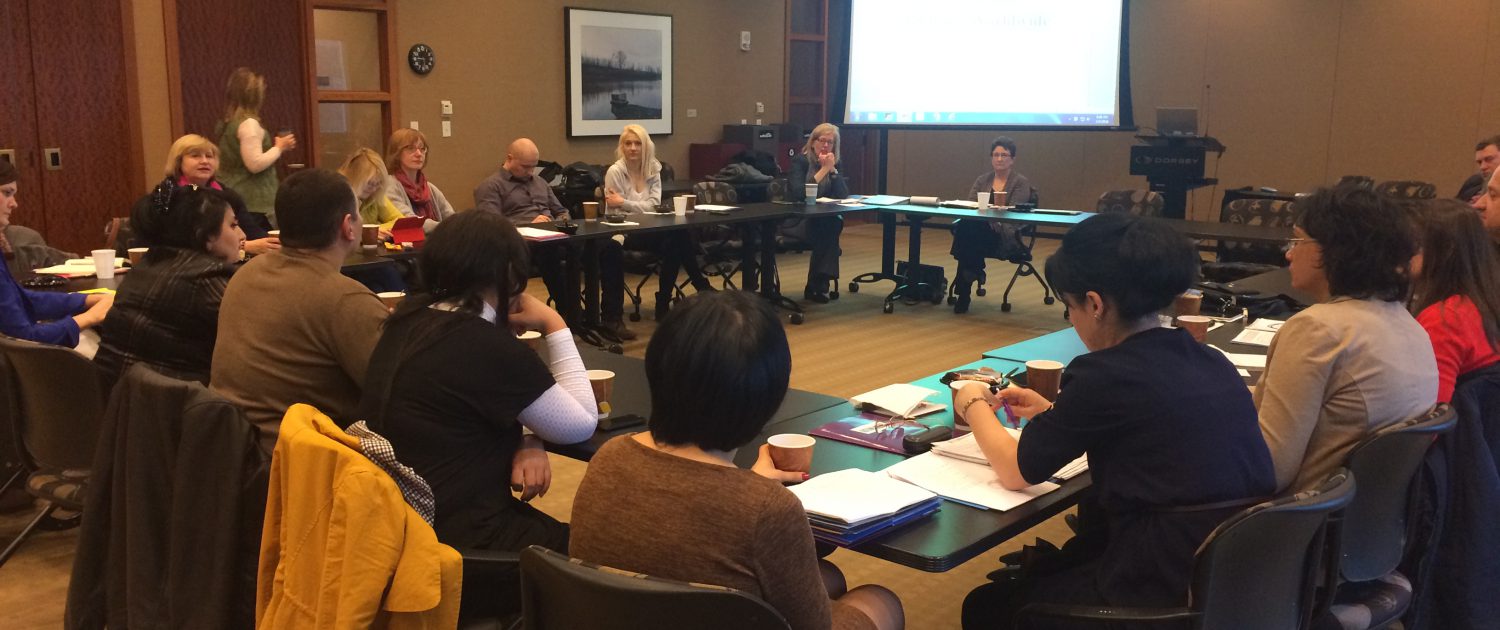
The workshop provided an extraordinary opportunity for participants to learn the techniques of CCR from its designers/founders/initiators – and in the community that has most successfully implemented it – and develop an understanding and framework from which to respond to domestic violence in their own communities.

The World Future Council (WFC) was a funding partner of this nine-day workshop, planned and hosted by Global Rights for Women (GRW), a Twin Cities based non-profit, and presented in partnership with Domestic Abuse Intervention Programs (DAIP) out of Duluth, Minnesota. The workshop took place from 28 March to 5 April 2016.

Workshop Report

WFC_2016_coordinated_community_-response_to_domestic_violence_a_workshop_in_Minnesota_USA

Workshop details

  • 18 participants from six different countries (Kazakhstan, Latvia, Lithuania, Pakistan, Tajikistan, and Trinidad & Tobago)
  • 68 hours of training, convening, observing and peer-to-peer exchange over 9 days
  • Three days of intensive training by the staff at the Duluth Domestic Abuse Intervention Programs (DAIP) in Duluth (Minnesota) and four days of training by Global Rights for Women’s legal experts in Minneapolis (Minnesota).
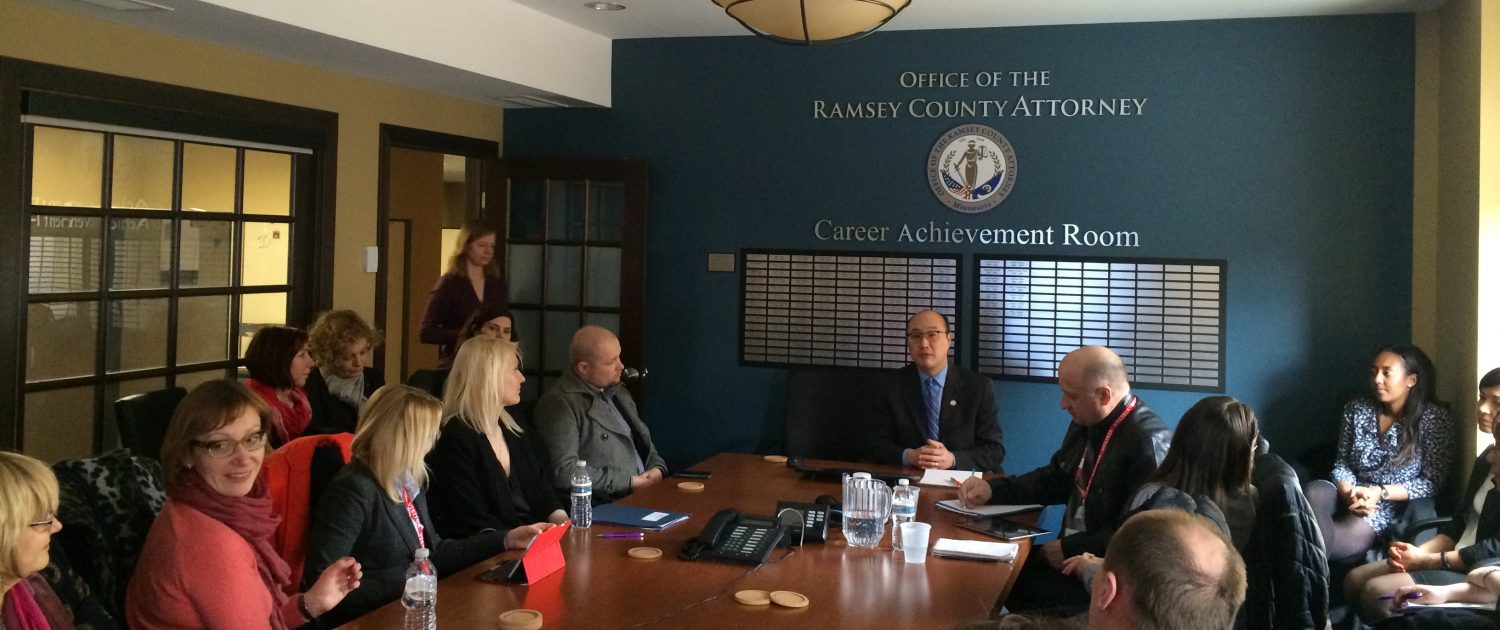
  • Observation opportunities: participants visited a 911 emergency communications centre, shadowed police officers responding to calls, attended domestic violence court hearings, met with prosecutors and probation officers, and observed men’s nonviolence group meetings.
  • The study tour also included meetings with parliamentarians, representatives from local authorities, law enforcement entities, judges and prosecutors, service providers and civil society organizations.

Future Policy Award 2014

In 2014, the Duluth model was named the world’s best policy to address violence against women and girls by the World Future Council (WFC), UN Women, and the Inter-Parliamentary Union (IPU). Our Future Policy Award highlights the world’s best policy approaches to the most pressing political challenges that the global community is facing today. In 2014, the award was dedicated to celebrate the best laws and policies that contribute to ending one of the most pervasive human rights violations of our time: violence against women and girls.


Next steps

The World Future Council will continue to work with our partners to facilitate the transfer of knowledge between policymakers and their NGO counterparts and to support them in introducing the model in their communities.

Project partners

logo GRW (1)

GRW is a non-governmental organization that envisions a world where women’s human rights to equality and freedom from violence are fully realized.

Author

Marta Sánchez Dionis, Policy Officer, Ending Violence Against Women and Girls, World Future Council

Six priorities for Sponge Cities

International and Chinese experts got together in Beijing to discuss Sponge Cities in China and its relevant policy recommendations. But what can we actually learn from the discussion? Here are 6 key priorities that emerged.

The second session of the World Future Council Future of Cities Salons series was held in Beijing on 26th April 2016. The event titled China-Germany Dialogue on the Sponge City: Resilient and Regenerative allowed Chinese and international experts to come together and discuss the concept of the Sponge City in front of several members of the local press. The concept of the Sponge City has gained particular attention in China as an attempt to define an effective model to tackle, among other issues, the increase in inner city floods experienced by many cities in China. Extreme weather events, such as more intensive rainstorms, are actually expected to become increasingly frequent as a direct effect of climate change. Hence the urgency to find effective ways to deal with this growing risk.

Essentially, the Sponge city is designed to act pretty much like a sponge in the sense that during rainstorms it allows surfaces throughout the city to absorb as much water as possible. Currently cities are mostly impermeable systems that divert water into sewage drainages which often channel untreated water directly into local rivers (especially during high intensity rainstorms as only part of the water can be handled by the wastewater treatment infrastructure).  By regenerating and expanding its own freshwater eco-systems (rivers, lakes, urban wetlands, gardens, parks etc.) the Sponge city allows storm water to be absorbed by the soil, which also naturally purifies it and stores it as groundwater. This reduces the burden on urban sewage systems, and during extreme weather events, improves the capacity of the city to absorb water and as such decreases the risk of flooding.

Six Priorities for the creation of Sponge Cities

While the urgency to transform our cities into Sponge cities is increasingly clearer, key policy guidelines to facilitate and encourage the creation of Sponge cities remain to be defined. Below are the 6 key recommendations that emerged during the discussions.

  1. Adopt an integrated, whole-system thinking approach

During the discussion, all experts emphasized that sponge cities are not only about recycling rainwater, improving water management or simply preventing floods. As Professor Che Wu from the Department of Civil Engineering and Architecture of Beijing University pointed out, “The sponge city must achieve the goal of protecting water environment, water ecology, water resources and water security at the same time”. On the same line of thought, Mr. Li Hailong, Deputy Director of Eco-city Planning & Building Center of Chinese Society for Urban Studies, concluded that

“sponge city is about approaching the issues of natural protection, restoration and design of cities from the water regeneration perspective and from a macro-understanding of sponge cities”.

In essence, it is not about isolated solutions but about finding integrated, cross-sectoral solutions grounded on the understanding of the city as a whole, organic, integrated system embedded in its natural environment and its water ecosystem.

  1. Establish locally based laws and regulations

As pointed out by Professor Che, the construction of sponge cities is facing multiple challenges in China. The first major challenge is legislation. Without sound laws and regulations, the water issue cannot be solved effectively.  Professor Che is very much interested in learning more from other countries on this matter especially from the relevant legislations in Germany and the EU. Currently many new developments in Germany are not allowed to discharge sewage free of charge.  The question is whether this kind of charge-based model need the support of laws and who should be in charge of setting these regulations and charges (the city, the region or the national government?) In Germany, these kinds of regulation are mandated by local municipal governments and not by federal authorities.  These local legislations are formulated according to local conditions, therefore may vary considerably depending on the city. According to specific locally-based problems, every city will calculate the cost on the disposal of wastewater. Adopting local taxation based on sound local regulation is therefore warranted.

  1. Promote coordinated cooperation between city departments

Another key element essential for the effective implementation of sponge cities is coordination between different departments. Both Professor Che Wu and Mr. Li Hailong pointed out that the construction of a sponge city project in China needs the coordination of different departments, including the department of Water Resources, Environmental Protection and several other city departments. Furthermore during the construction phase, various types of data (such as weather data, geological data, etc.) also need to be gathered from different departments and need good coordination and communication across teams. Still, strongly separated departments pose a significant barrier to the effective and smooth functioning of this needed integrated, cross-silo approach.

  1. Find Innovative ways to raise financial resources at the city level

Funding and financing problems are an inevitable part of city planning and construction. Mr. Li Hailong analyzed in depth China´s plans to develop sponge city through Public-Private-Partnerships (PPP). However, such model can only bring limited benefits and can only attract a few companies, which unavoidably causes funding difficulty. All of the speakers highlighted that China should adopt a model which takes into consideration the different local conditions, and cannot view PPP as the only funding way. Different cities should select different economic strategies concerning their varied natural conditions and economic situations.

  1. Tailor the design to local conditions and regional potential

A careful assessment of local conditions and potential should form the base of any sponge city intervention. It is essential to carefully assess specific problems in the city and solve these by leveraging the local potential and regional resources. Standard conceptual recommendations for the development of sponge cities are applicable more or less to any climate and soil, hwoever the selection of specific interventions should be based on local conditions. Professor Che Wu compared sponge city projects in different areas of China and concluded that “China implemented many similar projects over the past 20 years following the same concept but using different implementation strategies in different projects. An implementation strategy might prove very successful with certain types of building and soil conditions, but cannot be transferred in a standardized way to another context, as it might not prove as successful as local conditions change”.

  1. Improve international dialogue and exchange of best practices: “foreign stones may serve to polish domestic jade”

Many best practices are available from where we can learn. An open dialogue and exchange of solutions across cities worldwide will be essential to accelerate the transition and the spreading of most effective solutions. The challenges discussed in the salon can only be tackled within an environment of continuous learning based on sharing of experiences and tested solutions.  Only through such sharing and active learning effort we can promote effective development of sponge cities in China.

Authors:

Filippo Boselli, Policy Officer, Climate, Energy and CIties, World Future Council, Germany

Zhou Ying, Communication and Operations Officer, World Future Council, China

What Tanzania can learn from Bangladesh on energy access

“I have a dream of empowering 75 million people of Bangladesh through Renewable Energy Technologies”. This is how, back in 1996, Dipal C. Barua, now founder of the Bright Green Energy Foundation, decided to start expanding RE in Bangladesh and make the country the first solar nation of the world by 2020.

By then, the country faced a serious energy crisis. Only 30% of the 162 million people of Bangladesh had access to electricity. Supply was hardly reliable. Overall demand for electricity was rising by about 10 per cent annually. Infrastructure was deficient, poorly managed and could not reach many rural areas (where 75% of the population lives) due to inaccessibility and remoteness. Therefore, most of the energy needs were met by biomass for cooking and kerosene for lighting (Sea4all, 2012).

Today, the country has installed more than 4 million Solar Home Systems (SHS) in off-grid rural areas, benefiting over 25 million people and wiping kerosene for lighting off the map. At present, over 60.000 SHS are being installed per month. The country has gained the capacity and knowledge of assembling all components of SHS in its territory, with more than 100.000 green jobs. Children’s evening study time is reported to have improved, as well as the health of households members. Businesses are rising due to longer hours and more varied options of income-generation activities. And no kerosene is used for lighting. SHS has become affordable at the price of kerosene thanks to innovative financing schemes allowing for 15% down payment to install the 15w-to-85w packages system, and the remaining 85% to be paid in 12/24/36 monthly installments (Bright Green Energy Foundation, 2016).

Bangladesh_Tanzania_study_tour2This is astonishing for Bangladesh, a low-income country in which over 40% of its population lives below the international extreme poverty line of $1.25 per person per day (UKgov, 2014). Nevertheless, Bangladesh successfully managed to grasp the nettle and make a decisive step towards RE deployment as a means to provide widespread energy access and foster socio-economic development. As the Energy Adviser (Minister) to the Prime Minister of Bangladesh, Mr. Tawfiq-e-Elahi Chowdhury highlights: “Bangladesh used its courage and imagination to break barriers and increase Renewable Energy”.

This was not a smooth journey. As Dipal C. Barua stresses out, there were many challenges, such as limited or no access to finance; lack of skilled manpower; lack of proper financial model design to make SHS affordable; lack of awareness about the clean and environment friendly energy sources; and more important, there was a lack of national energy policy. The fact that Bangladesh was blessed with over 300 days of direct sunlight made him, nonetheless, embrace solar energy as the best solution to (em)power the population of Bangladesh.

“When the Government of Bangladesh saw that Solar Home Systems overpassed the 1 million in rural areas despite the absence of a political framework, they realized how serious the renewable energy pathway was to increase electricity access”, states Barua. Indeed, in 2000, the Government of Bangladesh issued its Vision and Policy Statement to bring the entire country under electricity by the year 2020. And because of its cost-competitive nature, this goal was being implemented in rural areas almost exclusively with the use of SHS.

According to Dr. Khan, professor at North-South University in Bangladesh: “Renewable energy off grid solutions were taking care of the poorest sectors of the population because they do not have the means to live where modern services are”. In response to these developments, 2008, the Ministry of Power, Energy and Mineral Resources of Bangladesh set a renewable energy policy to create an enabling environment and legal support to encourage the use of renewables. By virtue of this policy, the Sustainable and Renewable Energy Development Authority (SREDA) was established as a focal point to support the development and promotion of RE through policies, laws, rules and regulations relating to sustainable energy and through constant multi-stakeholder consultation. For Mr. Alauddin, Joint Secretary, Power Division, Ministry of Power and Mineral Resources “If you want to bring in a new technology, you also need an institution that has the skills, capacities and mandate for this. This is why we established SREDA”.

Bangladesh_Tanzania_study_tour3For the financing, a government-owned financial institution, the Infrastructure Development Company Limited (IDCOL), played a critical role by providing its support through grants and loans to RE private and non-profit implementing organizations. Up to this day, only in SHS, IDCOL has invested more the $600 million and the agency is calculating that another 3.5 million SHS can be installed within next few years. Further, IDCOL is supporting bio-gas based power projects, solar-mini grid projects, solar irrigation pumps, and biogas pumps to move the country faster in RE deployment and have a significant impact on national GDP.

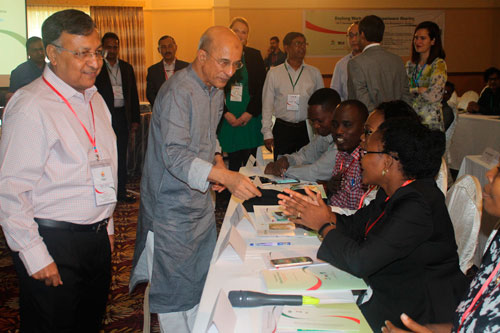
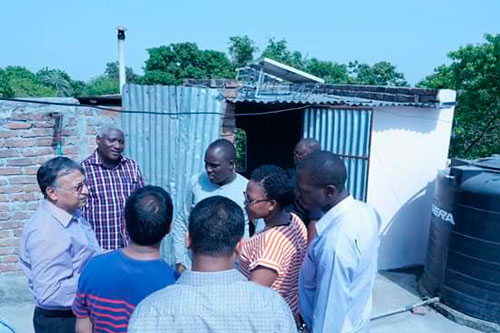
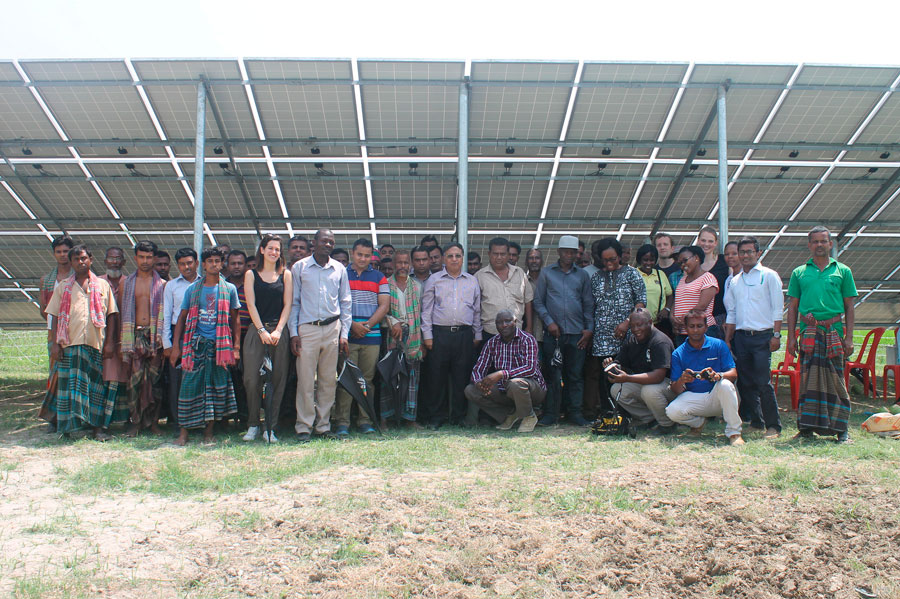
This experience is highly valuable to many countries that find themselves in similar situations. Tanzania is one of these countries, which is why the World Future Council, together with CAN-Tanzania and Bread for the World organized a study tour to Bangladesh on April 17-23, 2016 with a group of 10 members of Parliament, government decision-makers and civil society leaders in the field of renewable energy  looking at strategies to rapidly expand first time access to electricity among its citizens with 100% RE.

“Let’s work together not to reinvent the wheel, but to see the different nature of the wheel”, as Mr. Malik, Executive Director and CEO of IDCOL highlighted when addressing the Tanzanian delegation. In Tanzania, 67.87% of the population lives below $1.25 a day.

This situation is compounded by the low level of electrification, where only 7% of rural population and 39% of urban population have access to electricity. In turn, lack of access to modern energy services exacerbates poverty due to persistent limited production opportunities and social facilities. But Tanzania, as Bangladesh, is endowed with abundant, high-quality renewable resources, which could play a significant role in meeting the county’s energy needs through off-grid solutions.

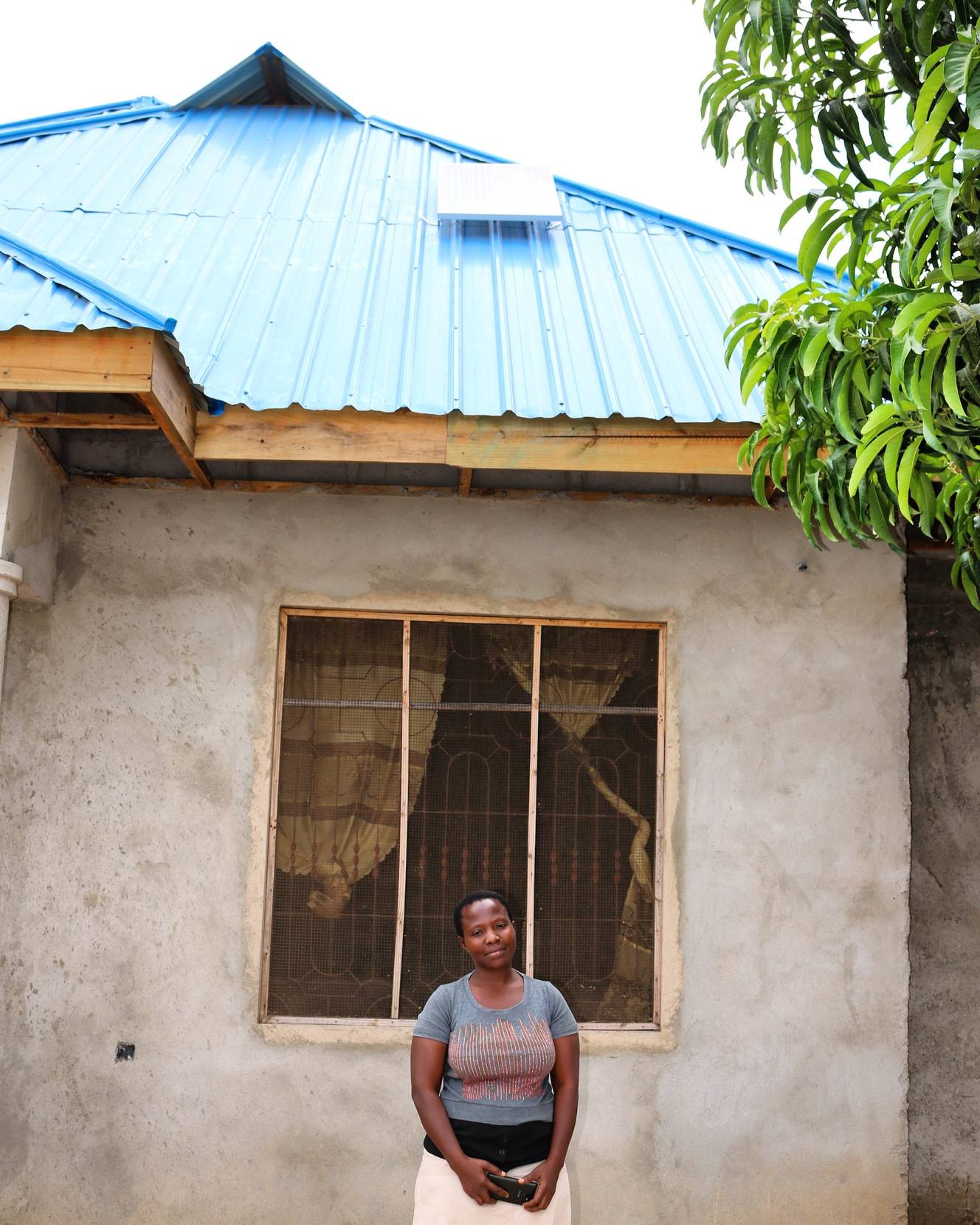
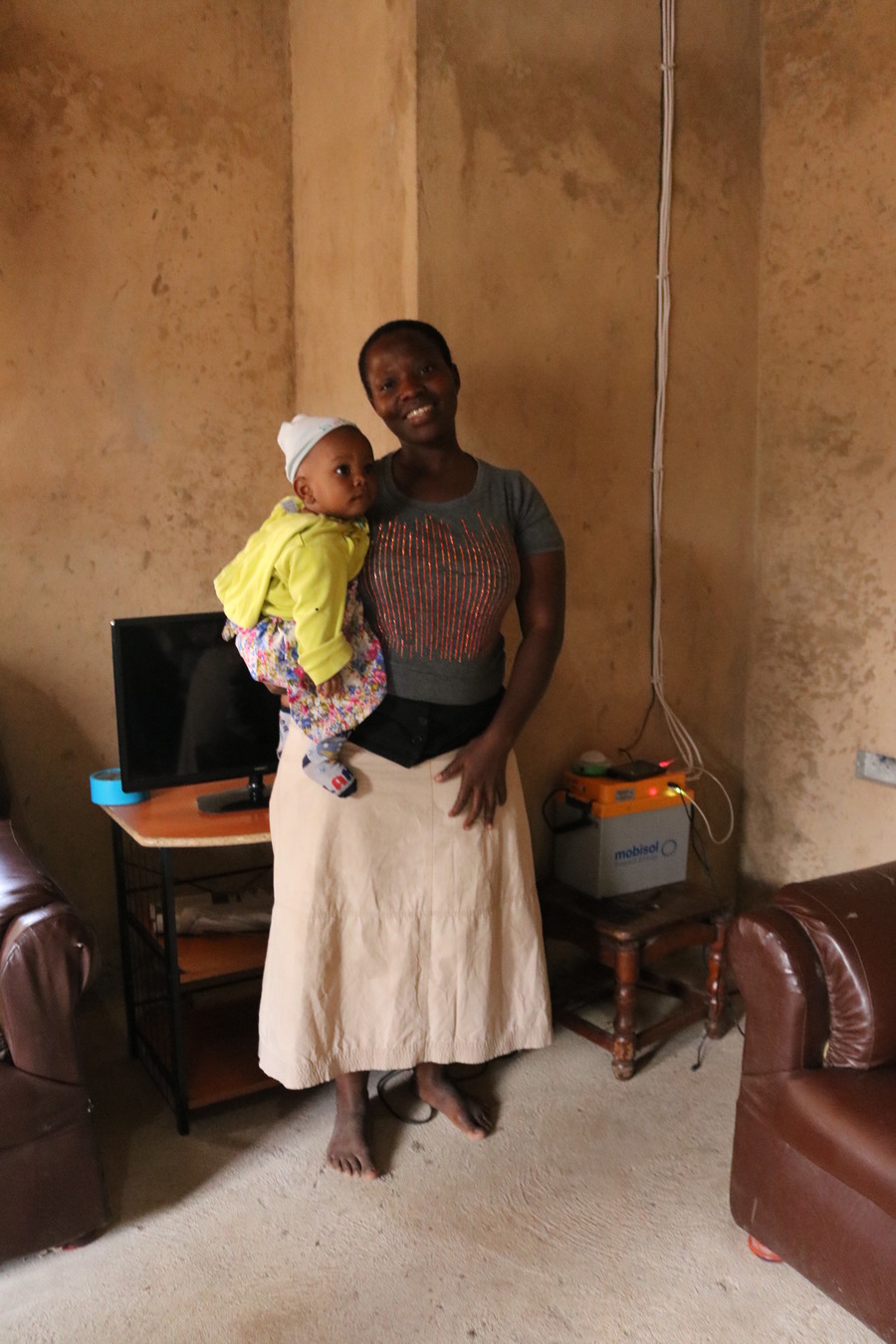
Bangladesh_Tanzania_study_tour1Today the African country is already ripping the socio-economic benefits of pilot projects being implemented by actors such as Tanzania Traditional Energy Development Organization (TaTEDO), and there are companies such as Mobisol which have installed more than 40.000 pre-paid SHS in Tanzania and Rwanda. But Tanzania can perform much better and at larger scale. “This study tour changed my mind about the potential of Renewable Energy as an effective tool to provide energy access to all people”, said one of the members of the Tanzania parliament after exploring the RE projects in rural off-grid areas of Faridpur, Madhukhali and Kustia, in Bangladesh.

When exchanging thoughts and experiences with Bangladeshi RE stakeholders, such as the Bangladesh Ministry of Energy, SREDA’s Chairman or the Director of Renewable Energy Limited, all participants concluded that this trip has just opened doors and is the start of a long journey of collaborations and working together. “In fact, we need to bring the experience from Bangladesh to Tanzania, especially on developing a comprehensive finance model for individual households and communities.”

Authors

Irene Garcia, Policy Officer, Climate, Energy and Cities, WFC
Anna Leidreiter, Senior Program Manager, Climate, Energy and Cities, WFC

Cities must be Regenerative. But what kind of Regeneration are we actually talking about?

It is not just about the regeneration of natural resources but it is also not just about what is commonly reffered as urban regeneration. As the term regenerative appears more and more within the international discourse on cities, clarity over its actual meaning is paramount.

The term ‘regenerative´ is becoming increasingly popular in the discussion around sustainable urban development and especially relevant now as it gets frequently mentioned within the UN discourse leading up to Habitat III. For example, the term has recently been re-adopted in the official document of the UN World Urban Campaign as one of the 10 final Principles of The City We Need 2.0.  The 6th principle explicitly states that “The City We Need is Regenerative and resilient”. The terms is also mentioned several times throughout this document as well as in other UN preparatory documents towards Habitat III such as the final Policy Paper 8 Urban Ecology and Resilience.

But what does Regenerative actually mean?

While the ultimate aim of a regenerative city is to be able to regenerate the natural resources that it absorbs, it is important to highlight that the concept is in fact much broader and comprehensive. It is therefore important to clarify the types of Regeneration that we would  see in the Regenerative City. In summary, we can say that the concept embraces 4 key types of regenerations, all extremely important for the effective implementation of the Regenerative City.

4 Fundamental Regenerations

  1. Regeneration of Resources (from Linear to Circular Flows)

Regenerative urban development seeks to mimic the circular metabolic systems found in nature. This will require a switch in paradigm away from the old linear metabolism (which allows cities to operate within an isolated segment of the resource cycle) to a new circular metabolism. This will mean closing the urban resource cycle by finding value in outputs that are conventionally regarded as waste and using them as resource inputs in local and regional production systems. For example, all the energy the city consumes needs to be able to be naturally regenerated by natural processes. For this reason, renewable energy is considered the only viable energy sources for regenerative cities, as it is continuously available and does not involve the consumption of a finite stock such as fossil fuels. Similarly all the material goods the city needs are not discarded into landfills but are kept in the resource loops by being upcycled, recycled, reused or by becoming a useful input in another processes such as energy production processes.

  1. Regeneration of Natural Capital and Urban Ecosystems (From Consuming to “Prosuming”)

The Regenerative city is not only conceived as a consuming entity, but actively contributes to the production of the resources it needs and to the restoration of the natural capital and ecosystems from which it depends. For example, food supplies are complemented through urban agriculture (including vertical agriculture), energy through solar rooftops, geothermal and bio-waste, and water through storm water collection at the block level and by allowing urban aquifers to be replenished through water percolation across the extensive green and permeable areas in and around the city. This enhanced ecosystem service infrastructure within the urban area improves the city’s self-sufficiency as well as its resilience. For example, increasingly relying on urban agriculture and on food from the immediate hinterland improves self-sufficiency while extensive greener areas provide benefits in terms of pollution mitigation, CO2 sequestration, water retention, natural filtering for cleaner urban aquifers, flood resilience etc. Similarly, relying on renewable energy sources from within the city or from the immediate surroundings increases the city’s resilience to energy prices fluctuation and dependency on imports. In addition, the regeneration of the productive capacity of the city and its ecosystems will lead to a renewed, enhanced relationship between cities and their hinterland and between urban and rural areas.

  1. Regeneration of Urban Spaces (from Sprawled to Dense)

Rather than sprawling and expanding on virgin land, regenerative urban development is about creating denser cities by redeveloping and regenerating the existing urban fabric and existing neighbourhoods (instead of simply developing new sites from scratch). Increasing density has in fact huge benefits in terms of efficient use of energy, resources, infrastructures and transport. At the same time, the focus of urban regeneration projects should be on making cities more people-centred, increasingly functional for the community, more accessible and inclusive and at the same time able to positively enhance the natural systems of the city and of the surrounding areas. Retrofitting and renovation projects are prioritized while at the same time historical and cultural heritage is also conserved and revalued. Enhancement of urban ecosystems is prioritized and it is achieved by making sure the city is rich of green areas and vegetation that, for example, help to block shortwave radiation, cool the ambient and create more comfortable urban microclimates. The latter can be highly beneficial, particularly given the risks of increase in temperature due to global warming. Improving urban ecology, promoting bioremediation of degraded areas and flora regeneration are also essential and have benefits beyond the environmental ones as they also increase the liveability and aesthetic value of the city.

  1. Regeneration of Communities (from Passive to Active Engagement)

Local communities and local businesses are themselves regenerated,revitalized and strengthened by becoming the actual leaders and drivers of all the regeneration projects taking place in the city. Citizens are constantly engaged and are encouraged to take part in the decision-making processes and community-based activities within the city. The informal sector, local youth and marginalized groups are also involved. For this purpose, it is crucial to establish a policy framework that promotes greater citizen participation, facilitates the processes of collaboration among stakeholders and of coordination across levels of governance and actively supports innovation and formation of new activities, locally based projects, start-ups and community initiatives. All of these processes contribute to the creation of a more dynamic, lively, people-centred and inclusive urban reality.

By Filippo Boselli, Policy Officer – Climate, Energy and Cities.

Q&A: The Marshall Islands’ Nuclear Disarmament Cases

Oral hearings on the preliminary phase of the nuclear disarmament cases brought by the Marshall Islands against India, Pakistan and the United Kingdom took place at the International Court of Justice in The Hague from 7-16 March. Members of the World Future Council have been involved in this unprecedented legal action since its launch in 2014 and some were present during the oral arguments at the Court. This Q&A, created by the Nuclear Peace Foundation,  explains the cases.

What is the source of the International Court of Justice’s legal authority?

The International Court of Justice (ICJ) is the principal judicial organ of the United Nations (UN). It was established in 1945 by the UN Charter. The seat of the Court is at the Peace Palace in The Hague, Netherlands. The Court’s role is to settle, in accordance with international law, legal disputes submitted to it by States and to give advisory opinions on legal questions referred to it by authorized UN bodies and agencies. The Court’s 15 judges are elected by the UN General Assembly and the Security Council.

Which countries are the Marshall Islands suing, and why?

The Republic of the Marshall Islands (RMI) has a unique and devastating history with nuclear weapons. From 1946 – 1958 the United States conducted 67 nuclear weapons test explosions over the Marshall Islands, the equivalent of 1.7 Hiroshima-sized bombs daily for 12 years. Castle Bravo, the largest bomb ever tested, was 1000 times more powerful than the Hiroshima bomb. Birth defects never seen before and other radiation-related health effects continue to plague the Marshallese people.

On April 24, 2014 the RMI filed individual Applications in the ICJ instituting proceedings against the nine nuclear-armed States: the U.S., Russia, the UK, France, China, India, Israel, Pakistan and North Korea. The RMI contends that each of these States is in breach of its obligations under the Nuclear Non-Proliferation Treaty (NPT) and/or customary international law to end the nuclear arms race and to engage in negotiations on nuclear disarmament.

Article VI of the NPT states: “Each of the Parties to the Treaty undertakes to pursue negotiations in good faith on effective measures relating to cessation of the nuclear arms race at an early date and to nuclear disarmament, and on a treaty on general and complete disarmament under strict and effective international control.” The UK is a founding member of the NPT, which entered into force in 1970. The U.S., Russia, France and China are also nuclear-armed members of the NPT; nuclear-armed India, Israel, Pakistan and North Korea are not. The RMI joined the Treaty in 1995 as a non-nuclear-weapon State and in turn received the binding legal promise of the States parties to the Treaty, including the nuclear-armed States.

In a 1996 Advisory Opinion, the ICJ issued an authoritative interpretation of Article VI and recognized a parallel customary international law obligation, concluding unanimously: “There exists an obligation to pursue in good faith and bring to a conclusion negotiations leading to nuclear disarmament in all its aspects under strict and effective international control.” This Opinion is not limited to NPT members; it applies to all States.

No negotiations on nuclear disarmament have ever been initiated and all of the nuclear-armed states are currently engaged in programs to modernize and qualitatively improve their nuclear arsenals, with an eye toward their indefinite retention. India and Pakistan are also engaged in quantitative arms racing.

Why were hearings held only in the cases of the UK, India and Pakistan?

At this time, only the UK, India and Pakistan – among the nuclear-armed states – accept the compulsory jurisdiction of the ICJ. The other nuclear-armed states were invited to respond to the Applications submitted by the RMI. China declined; the others did not respond.

What was the scope of the hearings?

This stage of the cases was limited to preliminary objections. The UK and India claimed that they have strong records of support for nuclear disarmament, arguing therefore that there is no dispute for the Court to adjudicate. The RMI countered that actions speak louder than words, citing the UK’s consistent record of voting against nuclear disarmament resolutions in the UN General Assembly and its plans to replace its Trident nuclear weapons system. With respect to India and Pakistan, the RMI cited programs underway for expansion, improvement and diversification of their nuclear arsenals. The UK and India also argued that the cases cannot proceed without other states possessing nuclear arms being before the Court; that the relief requested would be ineffective; and that various exceptions to their declarations accepting the jurisdiction of the Court apply, excluding jurisdiction.

Pakistan withdrew from participation in the oral pleadings at the last minute, declaring it had nothing to add to its written submission.

What will happen next?

The ICJ will issue separate rulings in each case, probably within three to six months. If the Court rules in favor of the RMI, the cases will move to the merits phase and more written arguments and hearings will be scheduled. If the Court rules against the RMI in any case, that case will be over.

What relief is the Marshall Islands seeking?

The RMI is asking the Court to declare that the UK is in violation of its obligations under Article VI of the NPT and customary international law by failing to pursue in good faith negotiations leading to nuclear disarmament, by taking action to qualitatively improve its nuclear weapons system and to maintain and modernize for the indefinite future, and by failing to pursue negotiations that would end nuclear arms racing. The RMI also requests the Court to order the UK to take all steps necessary to comply with its obligations under Article VI of the NPT and under customary international law within one year of the Judgement, including the pursuit of negotiations in good faith aimed at the conclusion of a convention on nuclear disarmament under strict and effective international control.

The RMI is asking the Court to declare that India and Pakistan are in violation of their obligations under customary international law, by failing to pursue in good faith and bring to a conclusion negotiations leading to nuclear disarmament, by failing to pursue negotiations on cessation of the nuclear arms race, and by engaging in the quantitative buildup and qualitative improvement of their nuclear forces to maintain them for the indefinite future, contrary to the objectives of nuclear disarmament and cessation of the nuclear arms race. The RMI also requests the Court to order India and Pakistan to take all steps necessary to comply with its obligations under customary international law with respect to cessation of the nuclear arms race at an early date and nuclear disarmament within one year of the Judgement, including the pursuit of negotiations in good faith aimed at the conclusion of a convention on nuclear disarmament strict and effective international control.

The RMI is not seeking monetary compensation in these cases.

Where can I get more information?

A. General information about the cases is available at: nuclearzero.org. Written submissions by the RMI, UK, India and Pakistan, and verbatim records of the oral pleadings are posted at http://www.icj-cij.org/docket/index.php?p1=3&p2=3 Videos and photos from the oral pleadings are posted at www.icj-cij.org/multimedia.

Cities, don’t just minimise energy use. Challenge it!

Between 1900 and 2000, global population increased 4 times, but resource demand increased 16 times.

Even worse, last year, the collective resource consumption by humanity overshot the earth’s ability to regenerate in August already. This means that we used all the resources the planet produces in 12 months in the first 8 months, and for the rest of the year we were literally in debt to nature. And cities, with a modus operandi fuelling and fuelled by fossil resources like coal, oil and gas, are largely responsible for it, accounting today for 70% of GHG emissions.

But often too, cities feel more severely the risks of the climate change they themselves create. Even in a place like New York City, one of the most advanced and wealthiest cities in the world, in 2012, Hurricane Sandy shut down the city, caused power outages and blocked roads and transport for days. It is clear that we need to revert this path marked by unsustainable development, which is growing disaster risks and whose main crystallisation is taking place in cities.

So how do we get back on track? And what’s the role of cities?

We can’t just do less damage; we have to repair the damage and ensure that cities operate in a system in which they do not only consume resources, but they also contribute to producing and restoring the resources they consume. In this system, materials and goods from the region are prioritised by cities. Waste is re-defined as a by-product that can always be recycled or reused in another processes. Water is also recycled or treated before discharged into natural water bodies. Organic waste is treated and used as soil fertilizer. And energy comes from local renewable energy sources. In a nutshell, we leave behind the city organised around petrol to give way to the Regenerative City.

Fortunately, there are encouraging signs on that front, as I could witness at the Smart City Expo Puebla, celebrated in Mexico from February 16-18, in which the World Future Council participated. Interventions made by mayors and experts working at the local level revealed that cities are aware of the profound and urgent shift they need to make in the way they produce and use energy. And, as managers of energy infrastructures and services, they are uniquely positioned to do it.

This strategic approach has led cities to innovate with new kinds of recycling programs. For example, the city of Buenos Aires has seen a 50% reduction in waste sent to landfills compared with 2012 and it has committed to reducing it further by 83% by 2017. And something that would be unthinkable decades ago, cities are starting to give priority to green areas over highways, as clearly exemplified by the restoration of the Cheonggyecheon stream in Seoul, which for more than three decades buried beneath a four-lane, elevated freeway built as part of an industrialisation and modernisation process. The building sector, too, is subject to new policies in this direction, as it was highlighted during the conference. For example, NYCis undertaking a 10-year plan to improve the energy efficiency of NYC’s one million buildings to reduce building-based emissions 30% by 2025. Mexico City is developing norms for building energy performance to double the energy efficiency rate of buildings by 2030. And Portland is working with residents, businesses and community partners to advance ecoroofs in the city as a means to save energy consumption, reduce pollution and decrease stormwater volume.

Most important, cities are starting to realise something fundamental: they need to go beyond minimising energy use to actually challenge it. Energy efficiency is not only about simply reducing energy demand to offer the same service, but about a fundamental change in the structure, nature and role of the energy system. And nothing epitomises best this than Vancouver orFrankfurt, which are taking strong action on energy efficiency as a core component of their strategy to go 100% RE by 2050.

Thus, Vancouver intends to reduce city-wide building energy demand by about one-third over 2014 levels by 2050, and meet the rest of the energy demand through renewable electricity. Similar in the transport sector, where the goal is to shape the transport system in a way that most of the journeys will be made on foot or by bike, and the remaining trips by transit will be made using electric vehicles of various types. All together, these two sectors accounted for over 90% of the city’s emissions in 2014. In the case of Frankfurt, energy efficiency measures have led to a 37 per cent reduction in electricity consumption by private households by 2015. As with Vancouver, the rest of the energy consumption and production demand will be met through local and regional renewable sources.

This does not only make sense in terms of climate and environmental protection, but also in terms of economic development. By focusing on regenerative urban development, the city of Vancouver has created more than 3.000 new green local jobs in the last 5 years. And the city’s brand is currently valued at US$31bn when measured by investment, reputation and performance as “green, clean and sustainable”. In Frankfurt, energy efficiency measures have already helped the city to save €100m in energy costs, a number that is projected to rise. And its 100% RE strategy is gradually bringing down its current energy import costs from €2bn a year to zero.

Locally determined contributions of cities like these ones show us that challenging the traditional energy system upon which cities have been built is actually possible, and indeed beneficial from a social, environmental and economic point of view. Just imagine what world would be possible if we start replicating these successful champions and make the transition to regenerative cities on our own terms, in ways that maximise the benefits to us today and to future generations. Surely a very different kind of city story to tell.

By Irene García, Project and Event Manager – Climate, Energy and Cities.

Sponge Cities: What is it all about?

The 34 hectares urban storm water park in the city of Harbin in northern China is an example of successful Sponge City intervention. The storm water park provides multiple ecosystems services: it collects, cleanses and stores storm water and lets it infiltrate it into the aquifers. At the same time it protects and recovers the native natural habitats and provides an aesthetically appealing public space for recreational use.


Sponge City. Yet another term on the growing list next to regenerative, sustainable, green, eco, resilient, low-impact, future proofing, zero-carbon, and the list goes on.

Strange as it may sound, this term has actually gained a huge amount of support, especially in China. In fact, the Chinese government has already chosen 16 pilot cities and allocated to each of them between 400 and 600 million yuan for the implementation of innovative water management strategies that would gradually transform these cities into “Sponge Cities”.

What are the key issues the Sponge City wants to solve?

Before explaining in more detail what a Sponge City actually is, it is important to appreciate the main issues that the Sponge City intends to tackle. These are mainly four:

  • Less water available in urban and peri-urban areas. First of all, a key question we need to answer to explain this issue is: Where do we get the water that comes out of our taps? Many times it is actually coming from aquifers underneath our feet. As it rain, water is absorbed by the ground and naturally filtered by the soil. We can then extract this water by drilling wells into the ground and pumping water out of it. The water is then collected and treated before is distributed across the city and can reach every tap in each of our houses and offices. The problem is that extensive urbanization and urban sprawling led to the formation of thousands of square kilometres of impermeable areas made up of impervious roads, pavements, roofs and parking lots that do not allow water to be absorbed into the ground but that simply collect the rainwater through the urban drainage infrastructure and channel it into rivers, lakes or into the sea. This traditional type of design led to the creation of cities which are increasingly impermeable and have an increasingly greater impact on the natural water cycle. In practise this means that since less rain water is allowed to filter through the urban soil, less water is available to be extracted from aquifers in urban and peri-urban areas.
  • Polluted water discharged into rivers or the sea. Another key issues is related to the fact that rain water and wastewater (namely water from our sinks and toilets) is collected by one single drainage system. This drainage system (imagine one big pipe) collects all the rain water (when it rains) and the wastewater from our houses and directs it to a wastewater treatment plant where it gets treated before it is discharged again into rivers or the sea. When it rains, many times the wastewater treatment plant cannot accommodate all the water that the drainage systems carries. Therefore much of the rain water mixed with the wastewater is discharged untreated into rivers. The more impermeable the city is, the more water will be mixed with wastewater and will not be able to be treated but discharged directly into rivers.  This increases the level of pollution of local water bodies.
  • Degradation of urban ecosystems and green areas due to sprawling. This led to a considerable loss of urban biodiversity, a drop in available green areas for natural ground filtration of storm water, a decrease in CO2 capture by plants, fewer spaces for natural cooling through urban green microclimates and generally less liveable, healthy, comfortable and attractive public spaces.
  • Increase in the intensity and frequency of urban flooding particularly considering predicted increase in extreme weather events due to climate change. As the absorbing capacity of the urban surface is decreased, storm flooding risk is increased. Flooding leads to increased groundwater pollution and has considerable impact in terms of damage to properties and health related issues.

What is a Sponge City?

The Sponge City indicates a particular type of city that does not act like an impermeable system not allowing any water to filter through the ground, but, more like a sponge, actually absorbs the rain water, which is then naturally filtered by the soil and allowed to reach into the urban aquifers. This allows for the extraction of water from the ground through urban or peri-urban wells. This water can be easily treated and used for the city water supply.

What does a Sponge City need in practise? 

A sponge cities needs to be abundant with spaces that allow water to seep through them. Instead of only impermeable concrete and asphalt, the city needs more:

  • Contiguous open green spaces, interconnected waterways, channels and ponds across neighbourhoods that can naturally detain and filter water as well as foster urban ecosystems, boost bio-diversity and create cultural and recreational opportunities.
  • Green roofs that can retain rainwater and naturally filters it before it is recycled or released into the ground.
  • Porous design interventions across the city, including construction of bio-swales and bio-retention systems to detain run-off and allow for groundwater infiltration; porous roads and pavements that can safely accommodate car and pedestrian traffic while allowing water to be absorbed, permeate and recharge groundwater; drainage systems that allow trickling of water into the ground or that direct storm water run-off into green spaces for natural absorption
  • Water savings and recycling, including extending water recycling particularly of grey water at the building block level, incentivizing consumers to save water through increased tariffs for increase in consumption, raising awareness campaigns, and improved smart monitoring systems to identify leakages and inefficient use of water.

What are the benefits of a Sponge City? 

There is wide range of benefits associated with the implementation of sponge cities. These include:

  • More clean water for the city. Replenished groundwater and thus greater accessibility to water resources for cities. This also entails greater water self-sufficiency which allows cities to increasingly rely on water sources from within their boundaries
  • Cleaner groundwater due to the increase volume of naturally filtered storm water. This means lower environmental and health costs due to considerable decrease in water pollution
  • Reduction in flood risk as the city offers more permeable spaces for the natural retention and percolation of water. This leads to better resilience and in particular greater ability to deal with higher flood risks resulting from climate change
  • Lower burdens on drainage systems, water treatment plant, artificial channels and natural streams. This also entails lower costs for drainage and treatment infrastructure
  • Greener, healthier, more enjoyable urban spaces. Greener urban spaces improve quality of life, create more pleasant landscape aesthetics and recreational areas that are enjoyable and attract people. This also means increase in land value due to aesthetically more pleasing, cleaner and healthier open spaces close to private properties
  • Enriched biodiversity around green open spaces, wetlands, urban gardens and green rooftops

Climate-Nuclear Nexus

“The threats to our planet – of climate change, poverty and war – can only be overcome by nations and the global community working in cooperation – something not possible while nations maintain large and expensive militaries and threaten to destroy each other.” – PNND Co-President’s statement on International Women’s Day for Disarmament, May 24, 2008

The second project is an extensive study of the linkages between climate change and nuclear security conducted for the World Future Council by Disarmament Working Group member Prof. Dr. Jürgen Scheffran of the University of Hamburg. Prof. Dr. Scheffran’s Report Climate Change, Nuclear Risks and Nuclear Disarmament: From Security Threats to Sustainable Peace lays bare the important connections between the two perils, reframes the debate on both issues and offers a comprehensive approach to move from living with these security threats to building sustainable peace. You can download the Report here.

The climate-nuclear nexus manifests itself in a number of ways.

Natural disasters and climate change-induced extreme weather events can have grave implications for nuclear security and safety

The nuclear disaster in Fukushima in March 2011 has drawn attention to the possible effects of extreme weather events, environmental degradation and seismic activity on nuclear security and safety. A number of other recent natural disasters have demonstrated how extreme weather events and environmental degradation can directly cause severe threats for nuclear safety and security.

  • The wildfires that spread through Russia in the summer of 2010 posed a severe nuclear risk to the country when they were on their way to engulf key nuclear sites. In addition, there was widespread concern that radionuclides from land contaminated by the 1986 Chernobyl nuclear disaster could rise together with combustion particles, resulting in a new pollution zone. Luckily, the authorities managed to contain the fires in time.
  • In Pakistan, the climate-nuclear nexus becomes particularly apparent. Past natural disasters have heightened anxieties about the safety and security of Pakistan’s nuclear sites and military installations. So far, nuclear sites in the extreme weather-prone country have remained safe, yet concern exists about the possible damage from future natural disasters, as well as the security of Pakistan’s nuclear arsenal and materials during such events.
  • The events in Japan earlier this year have demonstrated the potential catastrophic consequences of natural disasters for nuclear security. The 9.0-magnitude earthquake and subsequent tsunami that hit the country on 11 March 2011 caused major damage to the Fukushima Daiichi nuclear power plant, disabling the reactor cooling systems and triggering a widespread evacuation surrounding the plant. The nuclear crisis is still unfolding and it will be decades before a comprehensive impact assessment of the disaster can be made.
  • In the UK, leading geologist Prof. Rob Duck of Dundee University has warned that if climate change continues it may lead to the erosion of Britain’s coast and may even cause tsunamis. This in turn will have critical implications for the safety of Britain’s nuclear power stations, all but one of which lie on the coast.

The climatic and ecological consequences of nuclear war

Recent research has revealed that even a limited regional nuclear exchange would eject so much debris into the atmosphere that it could cool down the planet to temperatures not felt since the ice ages (“nuclear winter”) and significantly disrupt the global climate for years to come. Huge fires caused by nuclear explosions, in particular from burning cities, would lift massive amounts of dark smoke and aerosol particles into the upper parts of the atmosphere where the absorption of sunlight would further heat the smoke and lift it into the stratosphere. Here the smoke could persist for years and block out much of the sun’s light from reaching the earth’s surface, causing surface temperatures to drop drastically. This would have disastrous implications for agriculture, and threaten the food supply for most of the planet. It has been estimated that as a result up to one billion people could die from starvation.

Conflicts due to climate change can trigger the use of nuclear weapons

Recently, attention has also been drawn to the severe security risks of global warming. The fear concentrates on how large-scale cascading events in the climate system could lead to international instability. Conflicts due to climate change can trigger the use of nuclear weapons.

UN Secretary-General Ban Ki-moon has warned that climate change may pose as much of a danger to the world as war. In April 2007, the UN Security Council held its first debate on climate change indicating that global warming has elevated to the top of the international security agenda, rivalling the threat of war. In a 2008 report, the European Commission noted that “[c]limate change is best viewed as a threat multiplier which exacerbates existing trends, tensions and instability. The core challenge is that climate change threatens to overburden states and regions which are already fragile and conflict prone.”

Nuclear weapons represent a particularly worrying element in this volatile equation. International destabilization resulting from climate change could provoke conflicts, which, in turn, could enhance the chance of a nuclear weapon being used, could create more fertile breeding grounds of terrorism, including the nuclear kind, and could feed the ambitions among some states to acquire nuclear arms.

If climate change is a threat multiplier which exacerbates existing trends, tensions and instability, then nuclear weapons are capable of raising the stakes exponentially.

Nuclear energy is no solution to fossil energy dependence and global warming

Nuclear power is fraught with security risks and a variety of other problems. Firstly, radioactive materials are released and accumulated at each stage of the nuclear fuel cycle, while errors and accidents during the generation process further contribute to the threat of radioactive contamination.

Secondly, nuclear power is inextricably linked to nuclear weapons development. So far, about one-third of the countries using nuclear power have built nuclear weapons. At various stages of the nuclear fuel chain, transitions to nuclear weapons technology are possible, contributing to the danger of their worldwide proliferation. A serious problem is the civil-military ambivalence of nuclear technologies and facilities involved in the production and processing of weapons-grade materials. These include uranium enrichment, fuel production and reprocessing of spent nuclear fuel. Around 20 countries already have access to such technologies. This trend would increase with a further global expansion of nuclear energy.

The global inventory of highly enriched uranium totals around 1600 tons, while the global stockpile of separated plutonium is about 500 tons, divided almost equally between civilian and military stocks. One hundred tons of plutonium is theoretically sufficient for up to 20,000 nuclear warheads. With increasing civilian use, the amount of plutonium also tends to increase. The difficulty in distinguishing between civilian and military nuclear ambitions remains a source for discrimination, threat, mistrust and fear in international relations.

Thirdly, even a drastic increase in nuclear energy could not compensate for the current growth in energy consumption; it would come too late for preventing climate change and lead to an enormous increase in plutonium stocks, with all its aforementioned problems.

Fourthly, although nuclear power has been heavily subsidised by governments and external costs are still not internalised into its market price, nuclear energy is not commercially competitive compared to advanced renewable energies that receive similar financial support. In a comprehensive environmental and economic assessment, including external costs from waste disposal, uranium mining, fuel processing and radioactive emissions during normal operations, most renewable energy sources look better than nuclear energy.

Finally, nuclear waste disposal (whether from nuclear power production, nuclear weapons programs or nuclear disarmament) will remain a problem for thousands of years, and many future generations will have to bear this load without having the short-term “benefit” of the current generation. To decay half of the amount of plutonium 239, which is the primary fissile isotope used for the production of nuclear weapons, it takes around 24000 years or 1000 human generations, much longer than the known history of homo sapiens. After decades of nuclear energy production, the pile of nuclear waste is still growing, even though worldwide not a single site for final disposal of spent fuels is operating and temporary storage is continuously being extended. It is uncertain whether and when a responsible solution to the long-term disposal of radioactive waste can be found.

Promoting, Protecting and Realising the Rights of Children: A Matter of Political Will

Promoting, Protecting and Realising the Rights of Children: A Matter of Political Will

Every child has the same human rights as adults. These include the right to life, food, health, education, development, a clean environment and the right to be heard. However, despite recent advances, many children today still suffer from poverty, gender inequality, homelessness, abuse, preventable diseases, and unequal access to education. Their rights are forgotten or ignored. Approximately 300 million children go to bed hungry every night. Environmental degradation and conflicts are forcing children to flee their familiar surroundings and live as refugees. Others are forced into exploitative work and cannot exercise their right to education, robbing them of the chance to create a better future.

Good laws and policies – and their effective implementation – are the foundation for protecting the rights of girls and boys that were enshrined in the UN Convention on the Rights of Children in 1989. However, children’s rights are not brought to life through pronouncements; they require resolve from our leaders and most importantly practical implementation on the ground.

It is now up to national governments to show the political will to ramp up actions at home and lead the response against the violation of children’s rights by ensuring such international commitments are adhered to through laws. Civil society must also play its part to ensure that ignorance and inaction are no longer an option! Instead of asking why things need to change, we have to finally start focusing on the how and highlight solutions that work!

The good news is solutions exist

This year, the World Future Council is celebrating the best laws and policies to secure children’s rights, with its ‘Future Policy Award’, to raise global awareness of those solutions that successfully overcome the barriers preventing children from enjoying their rights to a clean and healthy environment, to education, to protection (from child labour, child trafficking, child marriage) and to participation. Only by highlighting these solutions can we speed up policy action towards just, sustainable and peaceful societies for future generations.

From America, to Europe, Africa, Asia and Oceania, we have already seen significant changes in policies and attitudes towards children and their rights that provide hope for the future. We are in a unique position to learn from pioneers who have shown us how it can be done. Now it is up to us to replicate and build on their success stories. Fortunately, we do not have to start from scratch.

In Zanzibar, the “Children’s Act” which won this year’s Future Policy ‘Gold Award’has proven to be an effective response to child abuse and violence, while promoting and protecting child rights at the same time. The law has led to a marked societal change in attitudes towards children in the country. Alongside a revamped child protection system, many schools are now piloting alternatives to the previously widespread use of corporal punishment and thousands of children have been assisted in returning to school from harmful work. A pioneering feature of the law was a village-level child consultation process which provided young people with an understanding of the law and their rights, giving them the opportunity to voice their priorities and feed into the law’s drafting process. Their views are now represented by over 200 active Children’s Councils.

Click on the button to load the content from .

Load content

The state of Maryland in the US was the first to require students to be environmentally literate as a high school graduation requirement. The results point to positive school-wide impacts in knowledge, behaviour and local action projects as well as broad improvements in student’s learning outcomes across a range of subjects. Other states, such as Kentucky and Utah have since developed education plans based on Maryland’s “Environmental Literacy Standards”.

Finland’s ‘Basic Education Act’, adopted in 1998, guarantees children’s equal access to high-quality education and training, irrespective of ethnic origin, age, wealth, language or location. Finland’s holistic and trust based education system produces excellent results, both in terms of child well-being and international test scores.

Click on the button to load the content from .

Load content

In Sweden, the Children and Parent Code prohibits all corporal punishment and other humiliating treatment of children. It has fostered a profound change of attitude across Swedish society in relation to violence against children, gaining a very high level of awareness and support, including from children. Sweden is also working with other states to promote universal prohibition of all violent punishment of children.

Finally, Argentina’s Supreme Court’s Judgement which upheld the country’s constitutional right ‘to an environment which is healthy, balanced and suitable for human development’ led to a comprehensive inspection, restoration and clean-up plan for the heavily polluted Matanza-Riachuelo river basin in Buenos Aires. These efforts have provided clean drinking water and sanitation to over a million people and are directly benefitting local children through access to health care and relocated housing. It demonstrates what can be achieved when judges start recognizing and enforcing environmental rights which are included (but not enforced) in three quarters of the world’s national constitutions.

Click on the button to load the content from .

Load content

Inaction no longer an option

By looking at these examples, we can lay out the policy incentives required to build a world of growing solutions, rather than growing problems. It is essential that we highlight these best policies, engage our communities to spread the word about them and empower policy-makers to implement them. Action requires more than intent and good will: The time has come for world leaders to step up to the challenge and leverage their powers on behalf of the youngest members of our societies.

Giving these policies the recognition they deserve by awarding them with the Future Policy Award is only the beginning. We need to raise more global awareness of these pioneering examples and assist policy-makers to develop and implement similar initiatives. The time to act is now!

Originally published on

huffington_post_icon

Maryland honored for environmental literacy standards

Maryland was honored Tuesday for its statewide environmental literacy standards with a silver 2015 Future Policy Award from the World Future Council, the Inter-Parliamentary Union and UNICEF.