Living in Harmony with Nature and Future Generations
World Future Policy Award 2025


The World Future Policy Award (WFPA) is the world’s leading prize for policy solutions. Each Award shines a spotlight on the most visionary and effective laws that help make our vision a reality: a healthy planet and just, peaceful societies — today and for future generations of all life on Earth.
In 2025, the Award carries the title “Living in Harmony with Nature and Future Generations” and is presented by the World Future Council in partnership with the International Union for Conservation of Nature (IUCN) and the Inter-Parliamentary Union (IPU).
The Award celebrates laws that don’t just fight biodiversity loss — they help regenerate ecosystems and strengthen the recognition of Nature’s intrinsic value.
By celebrating these exemplary measures, the WFPA empowers governments, organisations, and communities worldwide to adopt more sustainable, inclusive, and future-oriented approaches.
Because Nature can live without us. We cannot live without her.

The Environmental Ombudsoffice of Tyrol (Tiroler Umweltanwaltschaft) is an institutionalised environmental Ombudsperson mandated to represent Nature and the public interest in environmental protection matters in Tyrol, Austria. Introduced originally in the 1990s and legally embedded in the Tiroler Naturschutzgesetz 2005, the Ombudsoffice serves as an independent body participating in official approval procedures concerning environmental impact and informing and advising citizens. It acts as a bridge between civil society and construction entrepreneurs, ensuring ecological concerns are factored into land use, infrastructure, and conservation planning. Its innovative outreach and participatory programmes, such as Citizen Biotopes and youth engagement projects, exemplify democratic, inclusive approaches to fostering a culture of living in harmony with Nature and Future Generations.
The Biodiversity Act of Bhutan 2003 (amended in 2022) establishes the legal foundation for the conservation, sustainable use, and equitable sharing of the country’s biological and genetic resources. It affirms Bhutan’s rights over these resources and regulates access through enforceable mechanisms such as Prior Informed Consent, Material Transfer Agreements, and Benefit-Sharing Contracts. Administered by the National Biodiversity Centre, the Act integrates traditional knowledge and scientific governance within a rights-based framework. The 2022 amendment strengthened compliance with the Nagoya Protocol, streamlined regulatory processes, and enhanced institutional oversight.


Law No 287 of 2022, formally titled “Law Recognising the Rights of Nature and the Obligations of the State Related to These Rights,” grants legal rights to Nature within the Republic of Panama. It introduces a suite for rights for ecosystems and living beings, including the rights to exist, persist, regenerate life cycles, and be restored following harm. The law embeds ecocentric legal principles such as the precautionary approach and “in dubio pro natura” and explicitly mandates state and citizen responsibility for safeguarding these rights. It has already been judicially enforced in high-profile environmental litigation and is shaping national discourse, legislation, and activism towards a more nature-centric governance paradigm.
NEM:BA establishes the legal framework for conserving South Africa’s exceptional biodiversity with around 95 000 described species across nine terrestrial biomes. It creates the South African National Biodiversity Institute (SANBI) and a Scientific Authority; mandates strategic tools (National Biodiversity Framework (NBF), bioregional plans, Biodiversity Management Plans (BMP)); regulates threatened and invasive species, genetically modified organisms and bioprospecting; and embeds public participation, cooperative governance, and intergenerational equity. It aligns national practice with the Convention on Biological Diversity (CBD) and CITES (Convention on International Trade in Endangered Species of Wild Fauna and Flora) while explicitly rooting biodiversity management in section 24 of the Constitution.

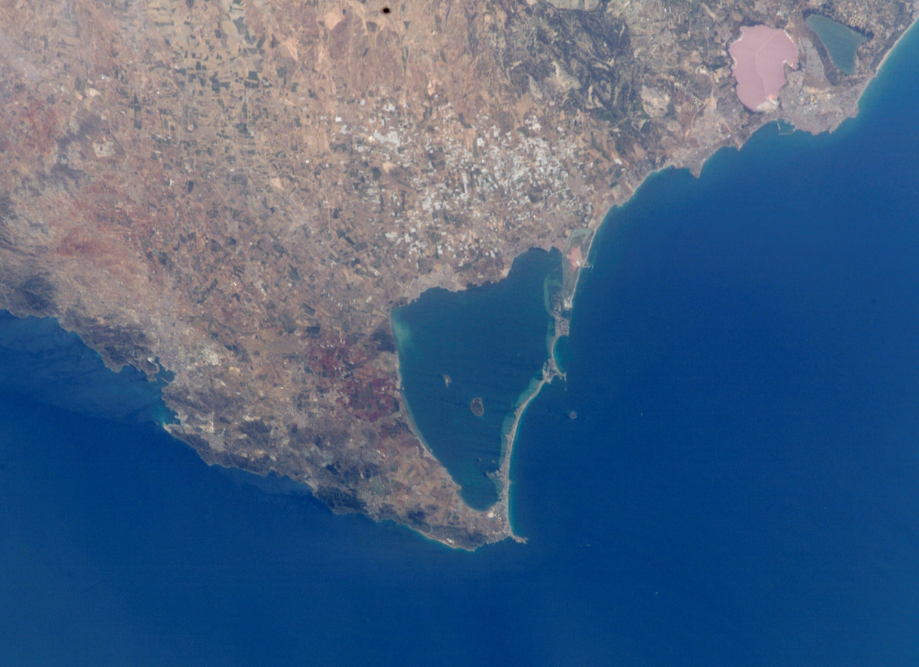
Law 19/2022 grants legal personality to the Mar Menor Lagoon and its basin, recognising the ecosystem as a subject of rights. The law includes the right to exist, evolve naturally, be protected, conserved, and restored. The law assigns legal guardianship and representation for the Lagoon to Public Administration, with support from the local community and it establishes three participatory governance bodies: a Committee of Representatives, a Monitoring Commission, and a Scientific Committee. This legal framework aims to halt ecological degradation caused by decades of pollution from agriculture, mining, and tourism, and enables any person or organisation, national or international, to bring legal action in defence of the lagoon. The law marks a legal paradigm shift from anthropocentric to ecocentric jurisprudence and aligns with broader movements for the rights of Nature and protection of future generations. The law prioritises intergenerational equity through a dual temporal and spatial focus. It protects future generations while centering ecosystems themselves as subjects of rights. By legally acknowledging the ecosystem’s right to develop, recover, and function according to its own internal processes, the law ensures sustained environmental integrity for both present and future communities.
The National Environment Act 2019 is Uganda’s principal legislation for environmental protection and management. It replaces the 1995 law and introduces a more comprehensive legal framework reflecting current environmental challenges and international obligations. The Act empowers the National Environment Management Authority (NEMA) as the coordinating and regulatory body for all environmental activities in Uganda. It reinforces the role of environmental and social impact assessments (ESIAs), introduces strategic environmental assessments (SEAs), and outlines provisions for pollution control, sustainable use of ecosystems, biodiversity conservation, and management of hazardous substances. Notably, it recognises the rights of Nature and the duty to maintain a clean and healthy environment for current and future generations. Its explicit acknowledgment of Nature’s intrinsic value and integration of environmental sustainability principles reflects a deliberate commitment to intergenerational equity


Official title: Agreement under the United Nations Convention on the Law of the Sea on the Conservation and Sustainable Use of Marine Biological Diversity of Areas beyond National Jurisdiction. The BBNJ Agreement is an international treaty adopted in 2023 under the United Nations Convention on the Law of the Sea (UNCLOS). It addresses the conservation and sustainable use of marine biological diversity in areas beyond national jurisdiction. The treaty covers four main areas: marine genetic resources and benefit-sharing; area-based management tools including marine protected areas; environmental impact assessments; and capacity building and marine technology transfer. The BBNJ Agreement explicitly refers to the responsibility of present generations to act as stewards of the oceans on behalf of both current and future generations. It also embeds principles such as the common heritage of humankind, the ecosystem approach, and intergenerational equity within its general provisions. Although the term “Earth Trusteeship” is not used, the spirit of trusteeship is reflected in the institutional and ethical orientation of the Agreement. The treaty reinforces duties to care for ocean ecosystems not only as resources but as entities with intrinsic value, thereby acknowledging Nature’s rights in a functional if not legalistic sense.
By conferring a legal personality to the river, the Te Awa Tupua Act reflects the deep ancestral relationship the Whanganui Iwi (tribes) have with the sacred waterway and gives them legal means to protect it. The Act affirms the river as a living, indivisible entity. The Ruruku Whakatupua 2014 and the Te Awa Tupua Act 2017 are both crucial documents related to the legal recognition and protection of the Whanganui River. While the Ruruku Whakatupua 2014 is the settlement agreement that laid the groundwork for the legal recognition of the Whanganui River, the Te Awa Tupua Act 2017 is the legislative enactment that formalised this recognition and provided the river with legal personhood. This is closely linked to the colonisation of Aotearoa New Zealand by the British and the subsequent conflicts and wars in the 19th century. It is enacted to resolve long-standing Treaty grievances and reflects a respect of the Crown for Māori worldviews and integrates Māori principles into New Zealand’s legal framework. It establishes innovative model of co-governance (embodied by the dual office of Te Pou Tupua) bridging Western statutory law and tikanga. And, for the first time, Indigenous peoples and the Crown have entered a partnership to protect the natural environment for the benefit of present and future generations. The steps taken to implement the Act, e.g. Te Pūwaha (revitalisation of the Port of Whanganui) shows that the Whanganui model should be understood as an Indigenous law model, not only a rights of Nature model.



This year’s winners were chosen from 41 nominations from 21 countries, narrowed down to 13 finalists. These policies were finalists, but did not win the award:
Japan: Basic Act on Biodiversity (2008)
Enacted in 2008, Japan’s Basic Act on Biodiversity is a national legal instrument designed to promote the conservation and sustainable use of biodiversity in alignment with global commitments under the Convention on Biological Diversity (CBD). It mandates the regular formulation and revision of national and local biodiversity strategies and introduces key principles such as coexistence with nature, intergenerational equity, and biocultural integration. Developed with strong civil society participation and broad stakeholder input, the Act consolidated fragmented biodiversity legislation into a unified and strategic framework. It uniquely combines legal mandates with traditional ecological knowledge, encourages citizen engagement, and calls for coordination across government levels and sectors, setting a precedent for participatory and adaptive biodiversity governance.
Norway: Nature Diversity Act (2009)
The Nature Diversity Act (NDA) of Norway, enacted in 2009, is a comprehensive framework governing the conservation and sustainable use of biological, geological, and landscape diversity. It replaces and consolidates earlier fragmented laws by applying uniformly across all sectors and ecosystems. The Act emphasises intergenerational equity, the intrinsic value of biodiversity, and the precautionary principle. It mandates public authorities to consider environmental impact in decision-making and incorporates Indigenous knowledge, notably that of the Sámi people. With judicial mechanisms for appeal and public participation the NDA sets high legal standards for biodiversity governance.
United Arab Emirates: Federal Law No. 24 of 1999 on the Protection and Development of the Environment, (1999)
Federal Law No. 24 of 1999 serves as the foundational pillar of environmental legislation in the United Arab Emirates. As the country’s primary environmental framework law, it sets comprehensive standards for ail, water, and soil protection, mandates environmental impact assessments (EIAs), and elevates biodiversity conservation to a national priority. The law regulates pollution, hazardous waste, and natural resource use across emirates and aligns federal action with international conventions such as CBD, CITES, and Ramsar. The law creates institutional mandates for federal and emirate-level coordination and supports voluntary action, awareness campaigns, and civic responsibility in environmental matters. In practice, it has led to improved environmental awareness, protected area expansion, pollution reduction, and inter-agency coordination. It continues to serve as the legislative backbone for the UAE’s agenda and biodiversity protection efforts. It mandates national biodiversity strategies and action plans, which address both biodiversity conservation and restoration. The ongoing legal reform ensures it remains responsive to evolving environmental and societal challenges while keeping future generations into account.
European Union: Nature Restoration Law (EU Regulation) (2024)
As a key element of the EU Biodiversity Strategy, the EU Nature Restoration Law aims to reverse biodiversity loss and ecosystem degradation across all EU Member States. Enshrined as Regulation (EU) 2024/1991, the law mandates Member States to restore at least 20% of degraded terrestrial and marine ecosystems by 2030, with progressive targets for 2040 and 2050. It builds upon prior EU directives, particularly the Birds and Habitats Directives, and establishes a legally binding obligation to restore habitats and species. Restoration measures are required for a wide range of ecosystems including urban areas, agricultural land, rivers, peatlands, forests, and marine zones. The regulation is directly applicable in all Member States without requiring national transposition. Monitoring and enforcement are overseen by the European Commission and the European Environment Agency. The policy is deeply rooted in participatory and science-based governance, aiming for cross-sectoral coherence and long-term socio-ecological resilience. it does not explicitly refer to Earth Trusteeship, its systemic focus on ecological integrity, intergenerational equity, and the rights of nature aligns with key tenets of Earth stewardship. The law mandates protection for restored areas and requires inclusive planning processes that consider the well-being of both present and future generations.
Kunming-Montreal Global Diversity Framework GBF (2022)
The Kunming-Montreal Global Biodiversity Framework (GBF), adopted in December 2022 under the Convention on Biological Diversity, is a landmark agreement aiming to halt and reverse biodiversity loss by 2030. It sets out four long-term goals for 2050 and 23 action targets for 2030, including the global “30×30” conservation target. The Framework was developed through an inclusive process involving governments, Indigenous Peoples and local communities, scientists, and civil society. It promotes a rights-based, participatory, and science-driven approach and addresses the root causes of biodiversity loss through systemic change. Though not legally binding, the GBF has already influenced national and regional policies and includes mechanisms for monitoring, resource mobilisation, and adaptive implementation. It aligns with the Sustainable Development Goals and the Paris Agreement and promotes intergenerational equity and Nature stewardship. The GBF provides a shared roadmap for transformative biodiversity governance worldwide.
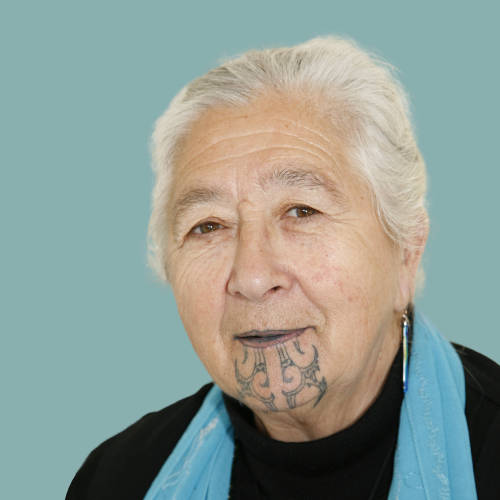
Let us listen to Mother Nature. If we can hear the frogs croak and birds sing, then we know that Papatuanuku is healthy. We must always keep the sound of these small creatures in our hearts, and remember that Mother Earth is there for many generations to come. This is the way indigenous people have lived with nature in the past, and will continue for eternity.
PAULINE TANGIORA
Māori Elder from the Rongomaiwahine Tribe on the East Coast of the North Island of Aotearoa/New Zealand, Honorary Councillor of the World Future Council

T: +49 (0) 40 3070914-0
M: samia.kassid@worldfuturecouncil.org


With the support of