Scaling Up Agroecology: The Outstanding Practices in Agroecology 2019

After months of intensive research, following an outreach to 2,000 agroecology experts from across the globe, the World Future Council is proud to officially give recognition 15 Outstanding Practices in Agroecology 2019. This is the climax of an intense multistep process including a nomination stage, evaluation stage and deliberation by a panel of global experts. But how does the process take shape? Here is a quick overview.

Keen followers will know that the World Future Council has already been directing much of its research efforts to agroecology. In 2018, the World Future Council organized its renowned Future Policy Award (FPA) on the topic of “Scaling up Agroecology”. After a lengthy and meticulous evaluation period, the winners of the award were announced at a ceremony at the FAO headquarters in Rome in October 2018 and the “100% organic state” Sikkim in India beat 51 nominated policies from 25 countries to take the Gold Award.

Following the same theme as the Future Policy Award, the recognition Outstanding Practices in Agroecology 2019 is a furthered effort to find and honour practices carried forward by diverse individuals and organisations, which enable and support transitions into agroecology. From a total of 77 nominated practices from 44 countries, received by a call to action to 2,000 agroecology experts, 23 made it through to the penultimate, most intensive stage of evaluation. Here, extensive research was carried out and interviews with practice representatives were led. As per the World Future Council’s methodology, the practices were compared with the 7 Future Justice Principles, plus the 10 Elements of Agroecology developed by the FAO.

MORE INFORMATION ON THE RECOGNITION

On the basis of the World Future Council’s evaluation report on the shortlisted practices, a global panel of experts decided which of the practices provide the best solutions in agroecology, in accordance with the evaluation framework. The Jury for the 2019 Outstanding Practices in Agroecology was made up of internationally renowned experts:

  1. Caterina BATELLO, former Team Leader – Agriculture Department, Food and Agriculture Organization of the United Nations (FAO, in personal capacity)
  2. Million BELAY, Founder of the MELCA-Ethiopia NGO; Coordinator of the Alliance for Food Sovereignty in Africa (AFSA); Member of the International Panel of Experts on the Sustainable of Food Systems (IPES-Food), Ethiopia
  3. Gábor FIGECZKY, Head of Global Policy, IFOAM – Organics International, Hungary
  4. Barbara GEMMILL-HERREN, Senior Associate to World Agroforestry Centre, Nairobi, Kenya; Team member of the Committee on World Food Security HLPE project ‘Agroecological approaches and other innovations for sustainable agrifood systems that enhance food security and nutrition’
  5. Dr. Franz Theo GOTTWALD, Chairman of the Schweisfurth Foundation; Chairman of the Supervisory Board, World Future Council Foundation
  6. Shantanu MATHUR, Lead Adviser, Global Engagement and Multilateral Relations Division, International Fund for Agricultural Development (IFAD, in personal capacity)
  7. Shamika MONE, Research Director, Organic Farming Association in India; Convenor of International Network of Organic Farmers Organizations (INOFO).

In total, 15 practices were granted recognition and celebrated at the event. With the recognition, the World Future Council seeks to raise global awareness for these exemplary practices and speed up action towards just, sustainable and peaceful societies.

18th January 2019 also marks the release of the Position paper (in German) ‘Agrarökologie stärken: Für eine grundlegende Transformation der Agrar- und Ernährungssysteme’ of which the World Future Council and 56 other German and international organisations are official signatories. This paper marks real movement and co-operation in the field of agroecology and its potential to present a real, sustainable alternative to the current global system. The paper features background information, a call of solidarity to action, the necessary steps to move forward and most importantly issues clear demands to the German government.

The recognition is organised by the World Future Council (WFC), in collaboration with the start-up Technology for Agroecology in the Global South (TAGS).

Berlin welcomes the World Future Council into the Bundestag

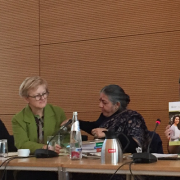
100% Organic Sikkim, World Future Councillor Vandana Shiva and Director Alexandra Wandel in the German Parliament with Former Minister for Food and Agriculture Renate Künast

On Thursday 29th November, Berlin provided a solace of winter sun after a week of heavy-hanging weather to welcome World Future Councillor and world-renowned environmental activist, Prof. Dr. Vandana Shiva, and the Director of the World Future Council, Alexandra Wandel in the capital’s Bundestag Complex. They were invited by Member of Parliament, Renate Künast, former Minister for Food and Agriculture to discuss the agro-political situation in India, the world’s first 100%-organic state and Gold-winner of the Future Policy Award 2018, Sikkim, as well as the road-map to sustainable global agriculture.

 “Sikkim shows that we can turn this around and walk the agro-ecological path.”

Vandana Shiva

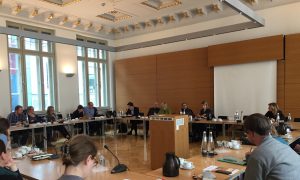
In a simple yet elegant conference room, the Honourable Künast welcomed her guests and 30 audience members from the German Parliament, European environmental institutes and the general public, and opened the discussion. The conversation quickly turned to agriculture in India. As a country whose agricultural face was profoundly transformed under the Green Revolution of the mid-20th Century, India is a notable example of the extreme conflicts and contrasts in the current global food system. Councillor Shiva described the horrors incurred by input-intensive agriculture in the country, which she has repeatedly encountered across four decades of environmental activism. An ongoing suicide-epidemic of hundreds of thousands of debt-ridden farmers, a ‘cancer train’, from the Punjab the Rajasthan, and a youth driven from agriculture and into drug abuse were some of the images she invoked. But the old techniques based on an old reductionist “lego-logic” have been recognised and, by some, reversed in the most radical and inspiring ways.

“A new knowledge of an old knowledge will be the future of humankind.”

Renate Künast

Over the past 45 years, Sikkim state in the Himalaya Region of India has made the transition to 100%-organic agriculture. Model farms, farmer field schools and a total ban on non-organic food-products have been instrumental in training over 65,000 farmers across 75,000 hectares into sustainable, fully-organic methods. World Future Council Director Wandel described how this unprecedented and entirely-successful transformation has earned the region countless benefits for its farmers and the health and well-being of the local people, as well as a 50% boom in tourism and recognition on the global stage. It is for this tireless work in organic agriculture that Sikkim was awarded the Gold Future Policy Award 2018 at the ceremony in front of 170 heads of state in Rome. Whilst 51 other nominations to the post were extensively researched and other policies from Denmark, Ecuador and Brazil received a Silver recognition, Sikkim’s efforts proved by far by the most exemplary.

“A truly visionary and holistic approach to agriculture.”

Alexandra Wandel

As part of her work with the Parliamentary Group on India, Hon. Künast recently had the opportunity to visit Sikkim experience their ground-breaking (and ground-making) work first-hand. She said she was wholly impressed by how the state uses public money to provide possibilities and livelihood dignity for its citizens in organic agriculture. Their valuing of traditional knowledge fuses with the goodness of the people in an atmosphere of respect for one another and the Earth.                                                                                                


“Sikkim is the light. The struggle must continue.”

Vandana Shiva

After all speakers had passionately shared their experiences and knowledge, the floor was opened up for questions from the audience. The opportunities and risks of digitalisation of agriculture came first, and Councillor Shiva was quick to insist on the stark difference between the right to technology and free internet, versus the forced digitalisation of agriculture. We must remain wary of the dangers of commodification of agricultural data for use by big companies. “Defining the commons in this new context,” said Prof. Dr. Shiva, “is extremely important.”

A second audience member asked how Sikkim was perceived at national level – is this the dawn of an organic India? There certainly exist other positive examples, for example, efforts in the Northern state of Ladakh to become organic. However, at national level, major obstacles remain. Vital here is the ongoing commitment to a sustainable vision by all spheres of society.

“We need a real debate across all of our societies or the future is a dead-end. Only food democracy will feed us in 2050.”

Vandana Shiva

The Director of the World Future Council Alexandra Wandel mentioned that unfortunately not a single German law was nominated for the Future Policy Award on Scaling Up Agroecology and that parliamentarians were invited to have a look at the awarded policies, including the organic policy of Sikkim and also the silver award from neighbouring country Denmark which received the Future Policy Silver Award and has the highest share of organic products in the world.

The event in the German Parliament came a day after the World Future Council and Councillor Shiva were invited to celebrate Bread for the World’s (Brot für die Welt) 60th anniversary in the German Theatre, and proceeded two exciting events at the historic Babylon Cinema in Berlin’s Mitte district. The first – “Vision for Agriculture 2050” [1] [2] –  was a debate between Councillor Shiva, Norbert Lemken, Director Agricultural Policy at Bayer and Prof. Dr. Sonoko Dorothea Bellingrath-Kimura of the Leibniz Centre for Agricultural Landscape Research (ZALF). As the audience outed their respective support and outrage, the debate raged over the science behind chemical inputs, the capacity to feed the world and the morality behind this monumental task. After a short break where audience members could inform themselves with Councillor Shiva’s literature and speak with Liam Innis about the World Future Council and the Future Policy Award, the night continued with the screening of “SEED: The Untold Story[3]. The film, wherein Councillor Shiva is a protagonist follows the rich and treasured history of Earth’s 12,000 year-old food legacy, which continues to be threatened to extinction by – and fight back against – an all-encompassing agro-industry.

“I think it’s time to bring care, sharing, love, the commons and our brains back into the picture of agriculture.”

Vandana Shiva

[1] https://www.2000m2.eu/de/vandana-shiva-visions-for-agriculture-2050/

[2] https://theworldnews.net/de-news/aktivistin-streitet-mit-konzern-vandana-shiva-vs-bayer-lobbyist

[3] https://www.seedthemovie.com

Strengthening the child protection system in Ghana

Strengthening the child protection system in Ghana

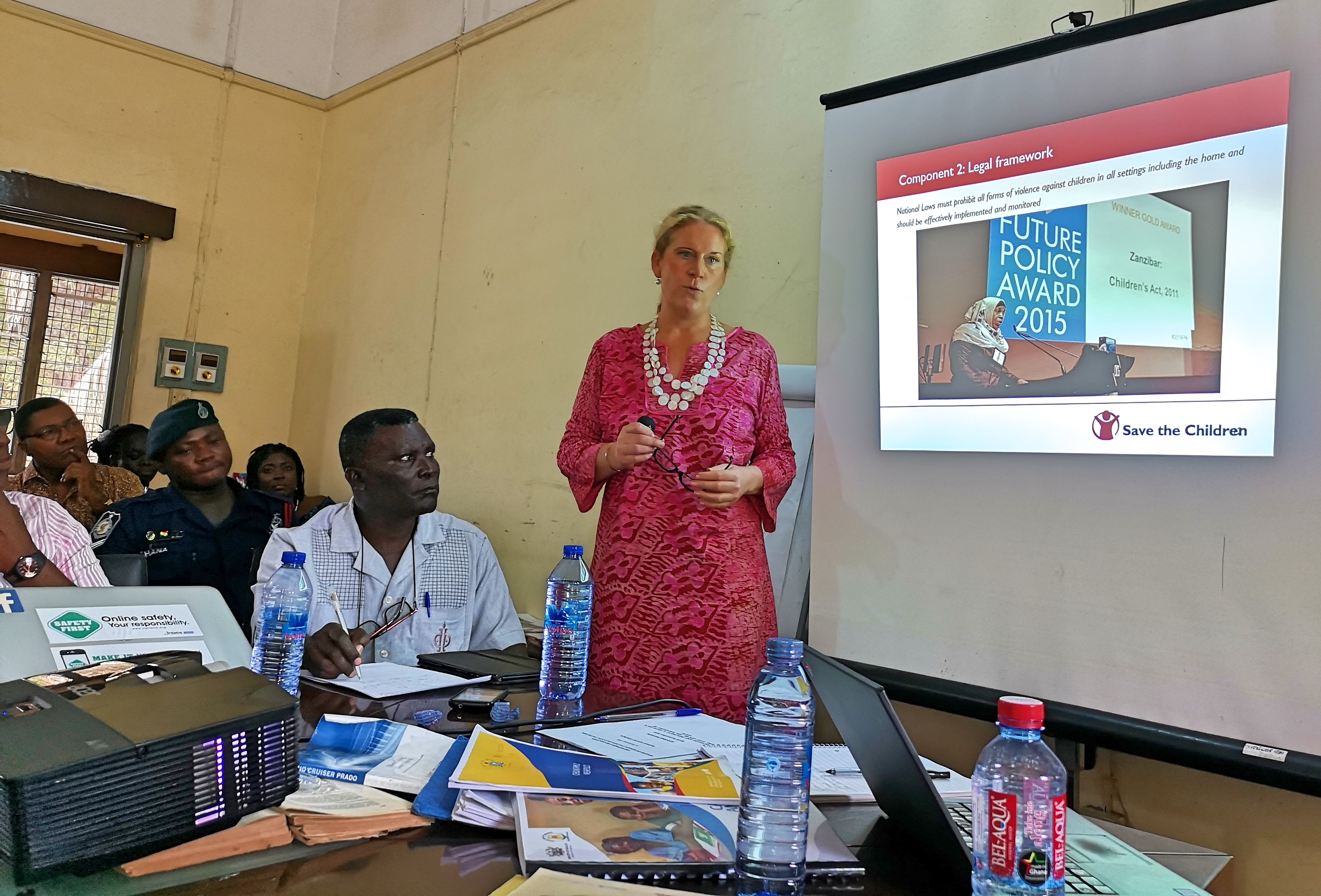
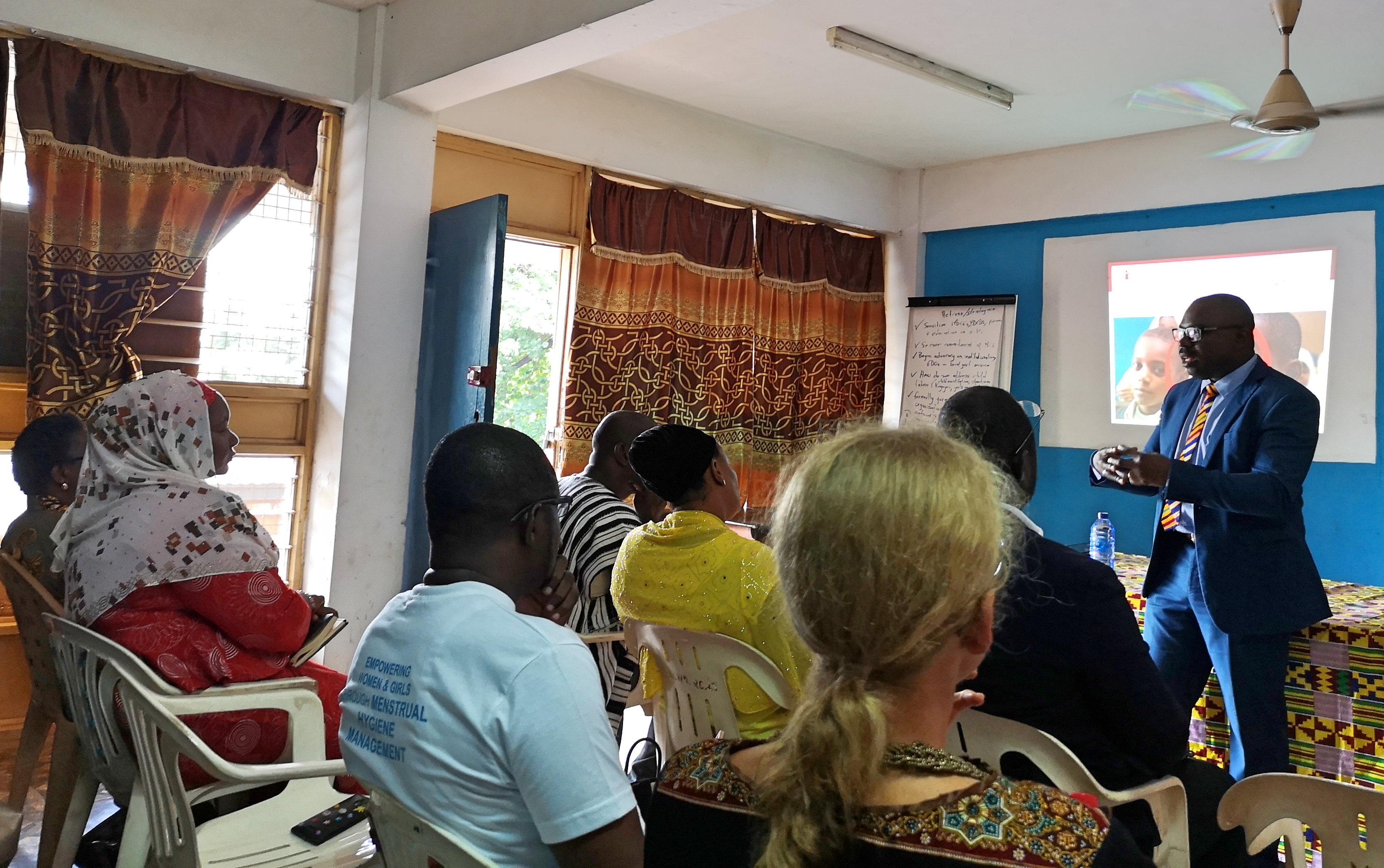
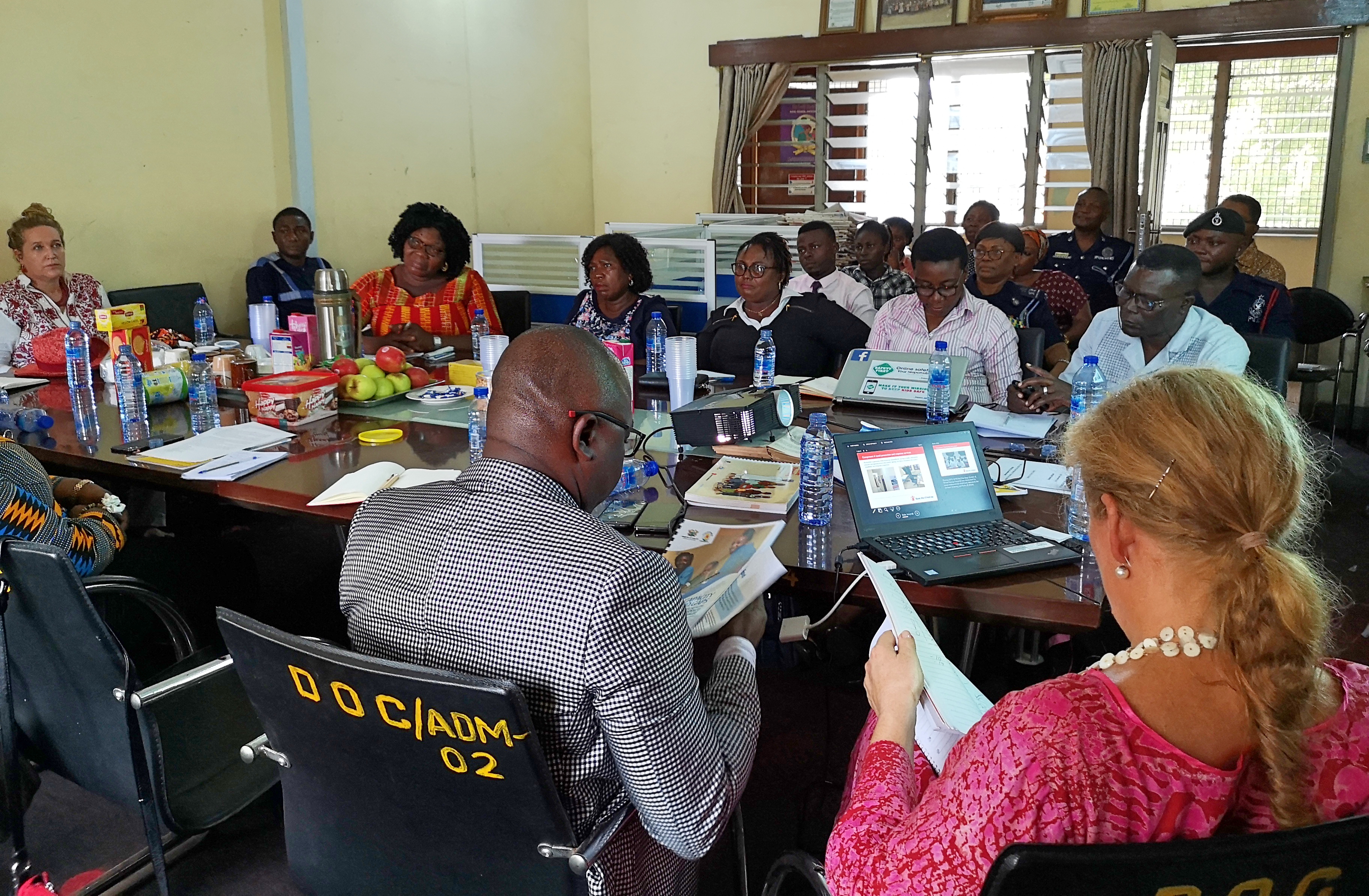
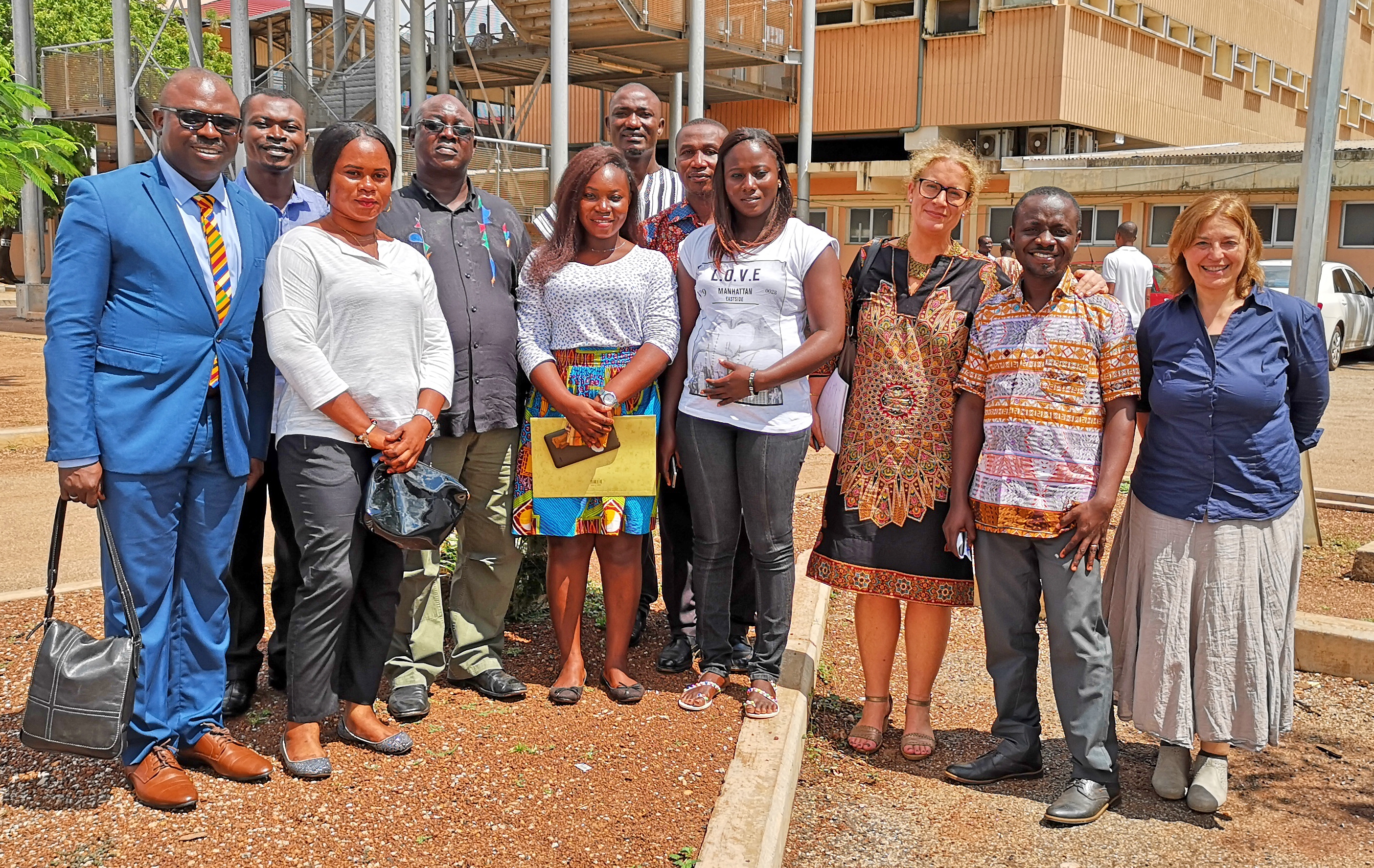
Last week, the World Future Council was on a scoping mission to Ghana to introduce the model of one-stop-centers to stakeholders in Ghana. The aim is to build on the existing structures to strengthen the child protection system in Ghana. Together with the Department of Children we had good discussions with the National Child Protection Committee in Accra and the Northern Regional Child Protection Committee in Tamale. We met dedicated and engaged partners and look forward to work with them on a pilot in November this year.

one-stop-centers

The one-stop-centers provide essential services for survivors of abuse under one roof. During our international conference on child protection we hosted in Zanzibar last year, we introduced the model of one-stop-centers, which inspired Ghanaian policy makers attending the conference. The Zanzibar’s Children’s Act 2011, which won our Gold Future Policy Award in 2015, layed the foundation for the child protection system in Zanzibar.

Interview on the Energy Transition in Germany

„We need a citizen-oriented energy supply“

The energy transition can only succeed if energy supply is democratised. We talked to Uli Ahlke, head of the district office for climate protection and sustainability in Steinfurt (North Rhine-Westphalia, Germany), about success factors of community energy.

Citizens contribute significantly to the energy transition. Including farmers, individuals own about 42% of all renewable energy installations in Germany[2]. Unfortunately though, the German federal government does not support community energy sufficiently. At this point, local governments can make a decisive contribution to promoting community energy. The German District of Steinfurt, near the Dutch border, is setting an exemplary path. Its 24 municipalities with about 445,000 inhabitants aim to be energy self-sufficient through renewable energies by 2050 – with the greatest possible participation of the local population. Already today more than 60% of the electricity stems from renewables. We talked to Uli Ahlke, head of the district office for climate protection and sustainability, about strategies and possibilities for local authorities to support community energy, about dealing with national obstacles, and about the future of the energy transition.

Community Energy: Energy Transition

The International Renewable Energy Agency (IRENA) Coalition for Action describes community energy as “the economic and operational participation and/or ownership by citizens or members of a defined community in a renewable energy project” – regardless of size and scope of the project.[1] Community energy is any combination of at least two of the following elements: Local stakeholders own more than half or all shares of a renewable energy project; voting control rests with a community-based organisation; and the majority of social and economic benefits are decentralised locally.
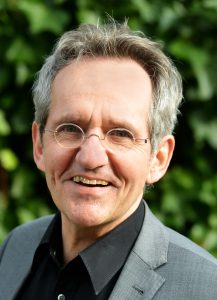
Engagement for community energy: Uli Ahlke is head of the district office for climate protection and sustainability in Steinfurt (North Rhine-Westphalia, Germany)

World Future Council: The district of Steinfurt aims to be energy self-sufficient through renewable energies by 2050. Supporting community energy is an integral part of your work. Why did you choose to support community energy to promote the expansion of renewables rather than focusing on large-scale investments?

Uli Ahlke: We have conducted several surveys in our region, and we know that the balance sheet energy self-sufficiency can only be accomplished once we operate in a regionally decentralised manner – and that it won’t work without the citizens. About 18 years ago, we experienced a very intensive expansion of wind energy with a lot of foreign investors in our region. At that time, we quickly reached acceptance limits.

We are convinced that we cannot achieve our ambitious goals without wind energy. That is why we asked ourselves what we need to do to maintain acceptance for a new expansion momentum. We needed to involve people in the planning process and to give the local community the opportunity to participate in local value creation. After all, the district of Steinfurt spends 1.5 billion euros a year on energy – for electricity, heat and mobility energy. Money we want to keep in the region.

How exactly can community energy be integrated into local climate action planning, and which participation mechanisms were particularly effective in Steinfurt?

What we do here is only possible because we have this team. We are 22 employees who take charge of the region’s sustainable development, of rural development, climate protection and education for sustainable development. Structurally, we consolidated the whole procedure last year and founded an association – the “energieland2050”. We communicate through traditional media, but are increasingly active in social media; we organise broad-scale participation proceedings; we place a strong focus on the regional advantages; and we have many amplifiers, especially on the part of the wind farmers.

As part of the wind energy expansion, we have set guidelines for all upcoming civic wind farms – in cooperation with the property owners, i.e. the farmers, with the farmers’ association, the municipal utilities and our 24 mayors. These guidelines not only guarantee the involvement of citizens, but also ensure that the first focal point for loans are local banks, and for energy marketing the municipal utilities. For the recruitment of financial resources through public participation we organised three events for one wind farm alone, attended by around 900 people. Two weeks later, we had 30 million euros, although we only needed 15.

In 2011, we set up a “Wind Energy Service Station”. There, we have a colleague, who deals with conflict management. She talks to the people and seeks solutions with them whenever there is a problem. We also launched a “Wind Energy Round Table”, where we regularly invite all stakeholders involved in wind energy to address conflicts openly and transparently.
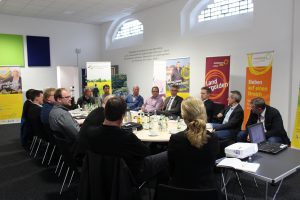
Round table discussions for solving conflicts

But wind energy is just one piece of the puzzle. Our goal is to initiate climate action in the region, involving more and more people. Many people trust us; that we practice what we preach, that we do things well, and that we act in accordance with the Agenda 21[3]. But that did not come out of the blue – it emerged over the years, during which people got to know each other, and learned to trust each other. I also believe that sustainability and regionalism are closely interlinked because we give up anonymity and work with people we know.

I agree with you. How do you deal with national legal and regulatory obstacles to citizen-owned renewable energy installations at the local level, such as the 2017 Renewable Energies Act (EEG) Amendment[4]?

I believe that the energy transition can only succeed if there is – in Hermann Scheer’s words – the “democratisation of energy supply”. The 2017 EEG Amendment, however, weakened the community energy movement. The reason for this weakening is presumably an energy policy that is geared towards corporations. But we need a policy that is citizen-oriented. The corporation-oriented policy actually prevents a successful energy transition. I am following Berlin’s energy policy with concern. If we do not change course very quickly, we will certainly miss the 2-degree target.

The approach we chose in Steinfurt is characterised by our energetic imperative “regional – decentralised – CO2-neutral”. This is supported and accompanied by the “energieland2050 network of entrepreneurs”. Only responsible companies from the region are involved in this network.

A study by the Leuphana University of Lüneburg has shown that the main obstacle to initiate community energy projects are the availability of equity capital and access to vacant space for renewable energy installations like wind turbines. How can local authorities help in these areas?

At the beginning, we conducted a study to identify our potentials for the wind energy expansion. We must not forget that our region is not particularly suitable for wind energy; we are not a coastal region and are partially suburbanised. On the basis of the potential study, we developed the guidelines for civic wind energy together with the farmers’ association, the mayors and many other stakeholders. This accelerated the expansion of wind energy. We implemented the wind energy expansion with regional stakeholders and did not rely on any external project planner or consultant. The expansion was also largely financed from the region – from its citizens, and its local banks. This is a relatively unique approach in Germany.
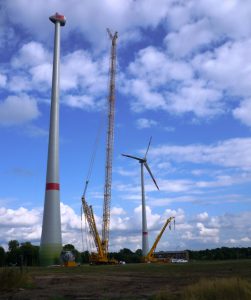
Construction of the bioenergy park Saerbeck

When we started to address wind energy with some actors in 2010 and even approached it strategically, people were very sceptical. And today I look back very relaxed and say: It worked!

I am glad to hear that. Let us now come to the last question. You have been working with passion for many years in this area. Which advice can you give to people in local governments not to lose patience and confidence in their work for renewables and citizen participation?

What you need is perseverance, patience and the faculty of abstraction. Human beings are often too impatient and cannot imagine the world changing but it is changing faster than ever. I think that in order to win people it is not enough to have good arguments, but it is important to draw a picture, a future scenario, of where you want to go and how positive the future can look like. At the end of my speeches, I often show a picture of the district of Steinfurt, which says: “District of Steinfurt – 24 health resorts”. If the energy transition succeeds, we will breathe clean air and it will be quieter. So if it succeeds, and I suppose that it does succeed at least partially, then life becomes more enjoyable and we get out of the air pollution dilemma which we are in now.

Interview conducted by Nele Kress.

References

[1] IRENA Coalition for Action (2018). Community Energy. Broadening the Ownership of Renewables. https://bit.ly/2MCevv9 (28.08.2018).

[2] Agentur für Erneuerbare Energien (2018). Bürgerenergie bleibt Schlüssel für erfolgreiche Energiewende. https://bit.ly/2nztV4q (28.08.2018).

[3] Agenda 21 is a comprehensive plan of action to be taken globally, nationally and locally by organisations of the United Nations system, governments, and major groups in every area in which human beings impact on the environment. It was adopted by 172 governments at the United Nations Conference on Environment and Development (UNCED) held in Rio de Janeiro in 1992.

[4] The Renewable Energies Act (EEG), which came into force for the first time in 2000, is the central control instrument for the expansion of renewable energies in the field of electricity in Germany. The fundamental changes of the last major amendment to the EEG in 2017 relate to compulsory direct marketing and a fundamental system change from the feed-in tariff model to the tendering procedure. This model has been criticized for failing to meet the climate protection goals of the Paris Agreement and for discriminating against community energy projects.

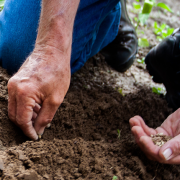
What is the Future Policy Award 2018 and why is it so important?

What is the Future Policy Award 2018 and why is it so important?

Would you like to know more about the Future Policy Award 2018? Here are some fundamentals:

Every year, the World Future Council honours the best policies that create better living conditions for current and future generations with the Future Policy Award, the “Oscar on best policies”. If that sounds complicated, let us explain to you what it actually means – it’s pretty simple and important: We look at the greatest challenges of humankind and search the world for the best solutions in order to spread them.

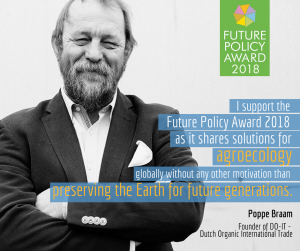
A quick Q&A session will help you understand. We also interviewed Poppe Braam, founder of DO-IT (Dutch Organic International Trade) why they support the Future Policy Award this year.

First of all, what’s the Future Policy Award?

The Future Policy Award is the first award that celebrates policies rather than people on an international level. It raises global awareness for exemplary policies and speeds up policy action. Each year, the Councillors of the World Future Council identifies one topic on which policy progress is particularly urgent.

What is the focus this year? 

This year’s Future Policy Award is focusing on policies scaling up agroecology. Policies that contribute to the protection of life and livelihoods of small-scale food producers, ensure sustainable food production systems and implement climate-resilient agricultural practices.

Who are the main organisations you partner with this year?

In 2018, the World Future Council partners with the Food and Agriculture Organization of the United Nations (FAO) and IFOAM – Organics International. We received support from Green Cross International, DO-IT – Dutch Organic International Trade and Sekem Group, Egypt.

Why does, for instance, DO-IT support Future Policy Award? And why does this Dutch company think scaling up agroecology is so important?

We asked Poppe Braam, who founded DO-IT, an organic food trading company from the Netherlands and he said: “In many countries DO-IT supports farmer transition to certified organic agriculture. Many of them are smallholder farmers, who urgently need more support. This makes local and national policy by governments as well as action by NGOs and agricultural institutes a vital part of this transition. Chemical farming (i.e. today’s conventional agriculture using chemical pesticides and fertilizers) and agroecology are natural opponents. Chemical farming does not only harm nature, but it also harms our health and climate. Moreover, the business of organic farmers is threatened due to levels of pesticide and GMO contamination by wind or water. It is therefore critical to scale up agroecology and policymakers should now step up their efforts.”

What can I do to support agroecology?

Buy organic and agroecological local or regional produce and support thereby family farmers in your region! Just like every raindrop counts towards a river, so does every choice you make in what you consume.

Does the World Future Council need support?

Yes! Now that the Future Policy Award identified and highlighted policy solutions from around world, we need to make them known to policy-makers around the world. We need funding for publishing in-depth policy reports, campaigning events, etc. Every donation will help!

Food is Fundamental: Farm Okukuna launched

Ground-breaking at a Pioneering Project in Goreangab

Windhoek, 22 February 2018. In the far north-west of Windhoek, on the boarder of the informal settlements of Goreangab, a visionary new project was born yesterday. Farm Okukuna wants to improve food and nutrition security in the capital’s northern settlements.

At the ground-breaking ceremony, City of Windhoek Councillor Ananias Niizimba pointed out that “Farm Okukuna will be the centre for a number of programmes, including growing food, marketing it, supporting small enterprises and entrepreneurship and – also very important – improving nutrition”. The City of Windhoek has provided the erf, is putting up fencing and will organise basic services such as security, electricity, semi-pure and fresh water.

Read more

How to mobilise the masses: Watershed Management in Tigray

Travelling through Tigray, northern Ethiopia is a mind blowing experience for anyone with an eye for land management. Hill after hill after hill is terraced. Stones are piled up in long benches to stop water flowing off. All of this back breaking work has been done by local communities over the past 30 years.

Clearing the Air in India with the fresh breeze of biomass technology

Every year India struggles with natural conditions of drifting dust from the desert Thar[1] which are aggravated by human impact[2] and lead to environmentally, socially and economically costly air pollution. With the enabling policy framework, a proven technology could be part of a feasible scheme tackling all anthropogenic drivers at once – and ideally lead to a reduction of air pollution by up to 90%. 

Starting a few months ago, India’s North has made headlines when air pollution reached an air quality index (AQI) of 1,001[3] – exceeding safe levels by a multitude of ten. In the national Capital Region of Delhi alone 45 million people[4] have been affected, causing a spike in complaints of respiratory problems and an emergency state, declared by the Indian Medical Association.[5]

Even though the news around the topic subsided, the officially monitored AQI which are even higher in the proximity of roads[6] within major cities like Delhi, Mumbai, Chennai, Hyderabad and Kolkata, continue to range around hazardous levels[7]. Inhalation of this air is comparable to smoking several packs of cigarettes a day[8] [9] and serious respiratory effects in the general population can be expected while even putting susceptible groups at risk of premature death[10].

Figure 1: Haze over North India in late 2017. (Source: NASA, 2017)

The death toll of air pollution in India was the highest of all countries around the world with 2,5 million in 2015.[11] A global UNICEF study found recently, that over 90% of children are breathing polluted air not matching WHO guidelines and 17 million infants are exposed to levels six times the approved norms.[12] Furthermore, household air pollution was recently discovered to be insalubrious even before birth, reducing birth weight, pregnancy duration and doubling perinatal mortality[13]. This effect is owed to the burning of traditional fuels which exposes mostly women to pulmonary and vision hazards of indoor air pollution.[14]

A study conducted by the World Bank concluded: The negative health impact of outdoor air pollution alone costs India 3% of its GDP[15] which translates to an equivalent loss of roughly 35 billion Euros every year. Research found a direct impact of the atmospheric pollution on agriculture with wheat yields of 2010 being on average up to 36% lower than usual all over India due to reduced intensity of sunlight and toxic ozone reaching the plants.[16] Additionally, increased amounts of carbon dioxide in the atmosphere[17] contribute to the greenhouse effect leading to more extreme and destructive weather events.

Two main causes for a myriad of manmade emission sources

In agricultural areas such as Punjab, the breadbasket of India, which singlehandedly produces 20% of India’s wheat and 10% of its rice[18], smoke blankets rise seasonally for several weeks despite a governmental ban when leftover straw stubble from mechanical harvesting is burned openly in the fields to clean the soil for new seeding [19] (see fig. 2).

Large-scale crop burning in India in 2017. (Source: Propakistani, 2016)

Then, metropolitan areas are covered by the drifting haze of crop burning in addition to the smoke of millions of wood cook stoves in and outside of the urban areas as well as countless emitters of sulfates, nitrates and black carbon such as automobiles, coal-fired power plants, incinerators, smelters or brick kilns.[20]

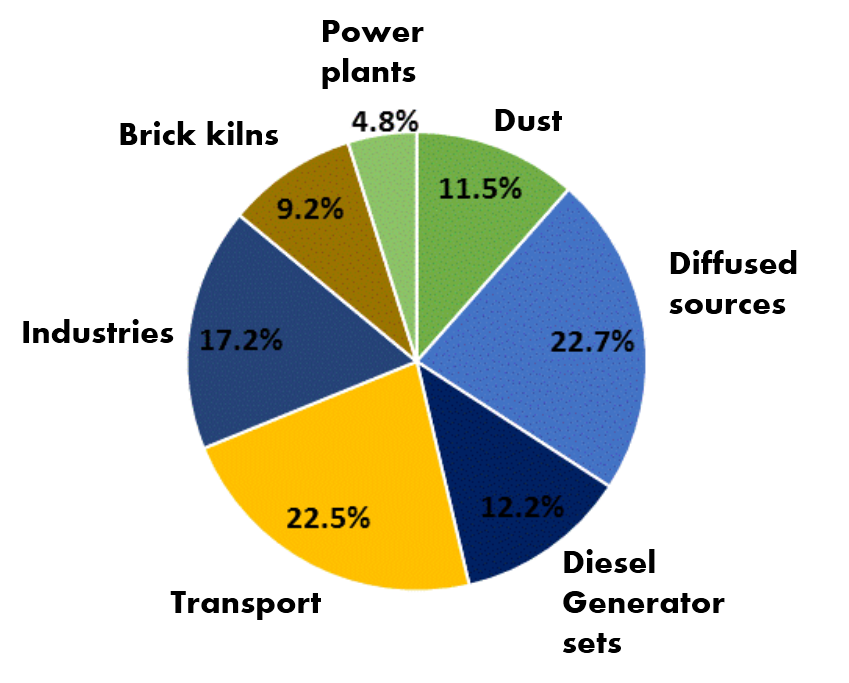
A comparison of several studies of Delhi shows the difficulty of solving the problem due to the relatively equal share of the main human-made sources of urban air pollution: Open burning of garbage and other diffused emitters contribute on average about a quarter, domestic or biomass burning as well as dust ranges around 15% while both traffic and industry (including coal power plants) are responsible for approximately one third.[21] [22]

However, understanding the reasons of air pollution, the interconnectedness of land and city and the amplification of fog and aerosol hazes[23] permits a vision for a future of clear skies and fresh breath. The main detrimental causes showed to be unsolvable if tackled one by one which is demonstrated by governmental emergency measures falling short every year.

Multiplying the negative causes turns into a feasible opportunity

The usually unused agricultural leftover biomass like paddy straw suddenly becomes an additional source of income for farmers as it already begins to prove itself as a viable source for power generation in rural India, offering employment for thousands of people. The calorific value per kilogram of coal and paddy straw are comparable while it burns cleanly in boilers with an efficiency as high as 99%. Combustion technology is commercialized and alone in the state of Punjab 332.5 MW of agro-waste based power projects are planned.[24]

These power plants can sell their power due to the “New & Renewable Sources of Energy Policy” and generate income under a Clean Development Mechanism while suppling millions of kWh to the grid for years. [25] Even individual households value the significant financial benefit of a carbon credit scheme which earns them up to 500 Rupees per month in a pilot project and convinces them to maintain the use of improved cook stoves.[26]

There are numerous reasons aside from health benefits for extending the understanding of sustainable cooking beyond improved cook stoves[27]. A new one is provided by a recent study, that noted villagers truly wish for cooking like in the cities – preferably with LPG which is out of reach for many due to its higher costs compared to wood.[28]  The so-called producer gas of low-cost straw-based power plants is an ideal replacement of a cleanly burning fuel, reducing indoor air pollution significantly in poor or disconnected rural and urban households alike.

Moreover, the processing of biomass and organic waste opens the opportunity of bio-oil production which can be handled exactly like a petroleum-based product to power suited diesel generators and fuel traffic in the cities.[29] This not only reduces transport emissions greatly but adds value to the commonly high share of organic waste (~30%) in Indian cities[30], attracting the informal sector in waste collection and reducing open garbage burning.

If now the government would take a leap forward by providing legislative support for this scheme in a holistic framework and additionally phase out coal power plants, manmade air pollution could ideally be reduced by roughly up to 90% through counteracting the aforementioned emission sources. In addition to environmental and social health improvements, the positive economic impact would be substantial: An IRENA study estimated a total benefit of 59 to 224 billion USD in savings following a restructuring of the power sector.[31] India’s INDC target of 40% renewable energy in 2030 is a promising step into the right direction.[32]


– written by Lisa Harseim –

[1] https://earthobservatory.nasa.gov/IOTD/view.php?id=84731
[2] http://www.urbanemissions.info/wp-content/uploads/images/PMSA-Delhi-UEinfo-2013-Study.png
[3] https://visibleearth.nasa.gov/view.php?id=91240
[4] https://www.nytimes.com/2017/11/07/world/asia/delhi-pollution-gas-chamber.html?mc=adintl&mcid=facebook&mccr=edit&ad-keywords=GlobalTruth
[5] https://www.visibleearth.nasa.gov/view.php?id=86982
[6] http://www.dw.com/en/study-offers-new-insight-into-new-delhis-air-pollution-woes/a-18105674
[7] http://clonewdelhi.com/custom/AQI/missionindiaaqi.php#
[8] https://www.nytimes.com/2017/11/07/world/asia/delhi-pollution-gas-chamber.html?mc=adintl&mcid=facebook&mccr=edit&ad-keywords=GlobalTruth
[9] http://www.theweek.in/columns/shashi-tharoor/dont-hold-your-breath.html
[10] https://www.visibleearth.nasa.gov/view.php?id=86982
[11] https://www.nytimes.com/2017/11/07/world/asia/delhi-pollution-gas-chamber.html?mc=adintl&mcid=facebook&mccr=edit&ad-keywords=GlobalTruth
[12] http://cleancookstoves.org/about/news/01-04-2018-new-study-shows-clean-cooking-can-lead-to-increased-birth-weight-in-newborns.html
[13] https://www.sciencedirect.com/science/article/pii/S0160412017312448
[14] https://www.solarquarter.com/index.php/resources/83-industry-reports/6245-remap-renewable-energy-prospects-for-india
[15] http://www.worldbank.org/en/news/press-release/2013/07/17/india-green-growth-necessary-and-affordable-for-india-says-new-world-bank-report
[16] https://www.ncbi.nlm.nih.gov/pmc/articles/PMC4246269/
[17] https://link.springer.com/chapter/10.1007/978-81-322-2014-5_4#page-1
[18] https://www.visibleearth.nasa.gov/view.php?id=86982
[19] http://www.dailymail.co.uk/indiahome/indianews/article-5055737/Crop-burning-ban-goes-flames-Punjab-Haryana.html
[20] https://earthobservatory.nasa.gov/IOTD/view.php?id=84731
[21] http://www.dw.com/en/study-offers-new-insight-into-new-delhis-air-pollution-woes/a-18105674
[22] www.urbanemissions.info
[23] https://earthobservatory.nasa.gov/IOTD/view.php?id=84731
[24] https://link.springer.com/chapter/10.1007/978-81-322-2014-5_4#page-1
[25] https://link.springer.com/chapter/10.1007/978-81-322-2014-5_4#page-1
[26]https://www.povertyactionlab.org/sites/default/files/India_%20Cooking%20up%20a%20recipe%20for%20clean%20air%20%281%29.pdf
[27] https://www.worldfuturecouncil.org/file/2016/10/WFC_BeyondFire_web-version.pdf
[28] https://www.povertyactionlab.org/evaluation/cooking-stoves-indoor-air-pollution-and-respiratory-health-india
[29] https://link.springer.com/chapter/10.1007/978-81-322-2014-5_4#page-1
[30] http://www.academia.edu/6034600/State_of_municipal_solid_waste_management_in_Delhi_the_capital_of_India
[31] http://www.irena.org/publications/2017/May/Renewable-Energy-Prospects-for-India
[32] http://www.ren21.net/gsr-2017/pages/tables/tables/#table-R15

Policymakers gather to share child rights best practice on protection and participation in Zanzibar

From the 28 – 30 November the World Future Council (WFC) hosted an international child rights conference in Zanzibar to explore the positive impacts of Zanzibar’s Children’s Act and share success stories on child protection, child friendly justice and participation from around the world. Representatives of ministries and policymakers from 12 countries, mainly from Africa and Asia, alongside experts on children’s rights and representatives from civil society drew up the Zanzibar Declaration on Securing Children’s Rights, committing themselves to taking strong action to eradicate all forms of violence against girls and boys. The assembly greatly benefited from the expertise and passion of two WFC Councillors Dr. Gertrude Ibengwé Mongella, former President of the Pan-African Parliament and Dr. Auma Obama, Chair and Founder of the Sauti Kuu Foundation.

Read more

100% renewable energy and poverty reduction in Tanzania

The World Future Council, Bread for the World and CAN-Tanzania hosted a workshop in February Dar es Salaam, Tanzania to kick-off an 18-months project, aiming at exploring the feasibility of 100% RE targets and its implications for Tanzania’s Sustainable Low Carbon Development and Poverty Reduction Goals.