Tigray celebrates Future Policy Award reception

Ethiopia’s Tigray region has received the Future Policy Gold Award this year for their pioneering approach in successfully combatting desertification. Thanks to their policy, the region has made significant progress in restoring its degraded lands and improving its food and water security. The impressive results derived from the major land restoration undertaken by local communities and the regional government, with a  unique combination of collective action, voluntary labour and the involvement of young people.

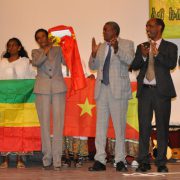
After the Award ceremony on 11th September during the UNCCD summit in Ordos, Inner Mongolia (China), the people of Tigray celebrated the Future Policy Gold Award in their own country. A colorful ceremony was held with 1500-2000 people at Hawelty Martyrs Hall with Tigray’s president, H.E. Abay Weldu, the Speaker of House of Representatives of Tigray region, H.E. Kidusan Nega, H.E. Dr Eyasu Abraha, Minister of Ministry of Agriculture and Natural Resources of Ethiopia and other high-level guests attending, followed by a parade through the Mek’ele, the capital of Tigray.

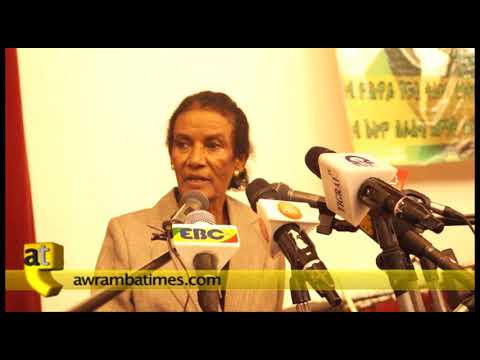
In conjunction with the celebration, the University of Mek’ele (MU), in collaboration with Bureau of Agriculture and Natural Resources of the Regional State of Tigray, organised a panel discussion at Desta Hotel, Mek’ele. The event was opened by a welcoming speech by Prof. Kindeya Gebrehiwot, MU’s President. The event was celebrating Tigray’s achievement, and the panelists were discussing how soil conservation towards land fertility and combating desertification can be further improved and maintained for the future.

‘Alternative Nobel’ and World Future Council Mourn Egypt’s Sustainable Development Trailblazer

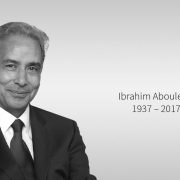
The Right Livelihood Award Foundation and the World Future Council are deeply saddened by the passing of their Egyptian Laureate and founding member Dr Ibrahim Abouleish.

Dr Abouleish, founder of SEKEM, received the ‘Alternative Nobel Prize’ in 2003 for implementing an innovative business model which combines commercial success with social and cultural development.

Dr Monika Griefahn, Chair of the Foundation’s Board, said: “On behalf of the entire Right Livelihood Award family, I would like to express our deepest condolences to the Abouleish family. Dr Abouleish was a true visionary and trailblazer, and the world is only now starting to catch up with his 40-year-old model of environmentally sustainable, socially just and economically viable development. A joyful and warm-hearted person, he will be greatly missed by all of us and his many colleagues and friends around the world.”

Dr Abouleish founded SEKEM in 1977 as a blueprint for the healthy corporation for the 21st century. Taking its name from the hieroglyphic transcription meaning “vitality of the sun”, SEKEM was the first entity to develop biodynamic farming methods in Egypt and has since broadened its scope to address health, educational and cultural issues. Dr Abouleish also founded the Heliopolis University for Sustainable Development where students study science, technology, arts, engineering and economics with a strong emphasis on sustainability. Over the years, SEKEM and the Heliopolis University played host to meetings of the World Future Council and the Right Livelihood Award Laureates.

“Ibrahim Abouleish’s remarkable initiative SEKEM has brought the desert alive. His Heliopolis University broadens the human mind, challenging modern monocultural thinking. Both show how much more humans can achieve when their work is based on cooperation, solidarity, mutual respect and the common good. His life achievements SEKEM and Heliopolis University are pioneering projects healing people and planet,” said Right Livelihood Award and World Future Council Founder Jakob von Uexkull.

A tireless advocate for sustainable development over five decades, Dr Abouleish has received numerous awards and recognitions in addition to the Right Livelihood Award, including the German Federal Cross of Merit and the United Nations ‘Land for Life’ Award. He was also named a distinguished social entrepreneur by the Schwab Foundation.

According to Islamic traditions, Dr Abouleish will be buried tomorrow, Friday, 16 June at 12:00.


More information:

http://www.rightlivelihoodaward.org/laureates/ibrahim-abouleish-sekem

https://www.worldfuturecouncil.org/councillors/


The climate cost of 100% renewable energy

At the COP 21 in Paris, the international community agreed on an agenda to cut greenhouse gas emissions to a level that will limit the rise in average global temperatures to 1.5°C. On 5 October 2016, the threshold for entry into force of the Paris Agreement was achieved. For a likely chance to stay below a rise of 1.5C, we have to reach zero emissions by 2050.

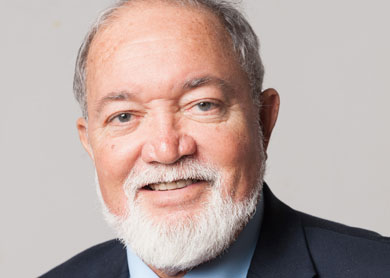
World Future Council mourns death of founding member and Honorary Councillor Sir James R. Mancham

The World Future Council is deeply saddened by the loss of founding member and Honorary Councillor, Sir James R. Mancham, who passed away on January 8, 2017, aged 77. Read more

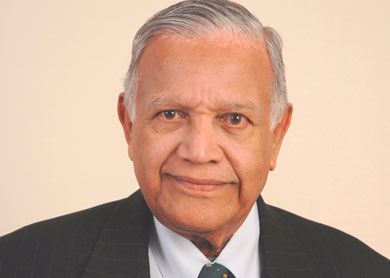
The best way to honour Judge Weeramantry is by learning from and using his legacy

With the passing of Judge C.G. Weeramantry on 5 January the peace, disarmament and sustainability movements have lost a monumental figure. Judge Weeramantry dedicated his life to strengthening and expanding the rule of international law and demonstrated how the rule of law can be used to address critical global challenges such as the continued threat of nuclear weapons, the protection of human rights and the protection of the environment.

In addition to being one of the brightest legal minds on these issues, he was a tireless activist. Nuclear weapons were always a particular concern of his. As we face a future still marked by the nuclear threat, his wisdom and activism will be sorely missed. Fortunately, in the five decades spanning his career he has produced some of the most pioneering, convincing and eloquent analysis and arguments on the need to eliminate nuclear weapons.

We would do well to revisit some of Judge Weeramantry’s treatises and learn from them as we continue to make the case for a world free of nuclear weapons. These include:


  • Dissenting Opinion, International Court of Justice Advisory Opinion on the Legality of the Threat or Use of Nuclear Weapons

    As relevant today as when he wrote it, Judge Weeramantry’s strong dissent from the majority’s decision to leave undetermined the legality of the use of nuclear weapons in self-defence when the survival of the state would be at stake, is one of the most authoritative and comprehensive arguments on the illegality of nuclear weapons “in all circumstances and without reservation.”

    See here for a summary.

  • Why the Nuclear Danger Grows from Day to Day

    The World Future Council co-published this informative booklet with the Weeramantry International Centre for Peace Education and Research on the occasions of the 2005 and 2010 Nuclear Non-Proliferation Treaty Review Conferences. In concise yet convincing arguments, Judge Weeramantry highlights the uniqueness of the nuclear threat and how our complacency risks the human future: “Never in the history of humanity has such urgency existed in relation to any issue and never were the consequences so devastating to the human future and to all that we hold dear. The danger grows not from year to year or from month to month but from day to day.”

As long as nuclear weapons exist, Judge Weeramantry’s unique insights and arguments remain powerful and pertinent. Using the legacy he has left us to achieve a world free of nuclear weapons would be the greatest tribute we can pay him.

World Future Council mourns death of founding member and Honorary Councillor Judge Weeramantry

The World Future Council is deeply saddened by the loss of founding member and Honorary Councillor, Judge C.G. Weeramantry who passed away in Colombo, Sri Lanka on 5 January 2017.

Judge Weeramantry was a Judge of the International Court of Justice (ICJ) from 1991 to 2000, serving as its Vice-President from 1997 to 2000 and a Judge of the Supreme Court of Sri Lanka from 1967 to 1972.

During his time as an ICJ judge, Weeramantry contributed to several landmark cases before the Court. These included a case on the illegality of the use and threat to use of nuclear weapons where he shared remarkable and poignant observations, and the case concerning the Gabcikovo-Nagymaros project which contributed to the furtherance of international sustainable development law.

In the course of his professional career of over five decades as lawyer, legal educator, domestic judge, international judge, author and lecturer, Judge Weeramantry played a leading role in several developing areas of the law. These included the illegality of nuclear weapons, sustainable development, rights of future generations, exploring the interface areas between law and religion and promoting cross cultural understanding.  He was also a passionate advocate of peace education which he believed should include teaching principles of international law at an early age.

He has written over twenty books, most of them extremely influential and translated into many languages, and lectured extensively on these topics in over forty countries.  His book, ‘Nuclear Weapons and Scientific Responsibility’ pioneered the concept of ethics in science, challenged the notion that science is neutral, and introduced the idea of a ‘Hippocratic oath’ for scientists. His book ‘Tread Lightly on the Earth’ offers a pronounced insight and analysis of the concerns of the world’s principal religions with the preservation and nurturing of the natural environment.

After stepping down from the ICJ, Weeramantry took up the position of President of the International Association of Lawyers Against Nuclear Arms, and continued advancing the application of international law for the benefit of peace and humanity in his new position. This included drafting, and presenting to the UN Security Council a seminal statement on the illegality of the preventive use of force, endorsed by over 200 prominent judges, legal scholars and lawyers from around the world. As IALANA President he also penned an influential public statement, in the wake of the Fukushima disaster, on the application of future justice principles to nuclear energy – in order to highlight its illegality and stupidity.

The Judge was founding Chair of the Centre for International Sustainable Development Law’s International Commission, and then, for 16 years, Patron‎ of the Centre, which is based at McGill University in Montreal, Cambridge University, the University of Nairobi, and the University of Chile.

Weeramantry also founded the Weeramantry International Centre for Peace Education and Research which produced a vast corpus of research and writing based on Weeramantry’s legal knowledge and philosophy for humanity.

Judge Weeramantry received a number of prestigious awards including the Sri Lankabhimanya (highest National Honour of Sri Lanka), Right Livelihood Award (‘Alternative Nobel Peace Prize’) and the UNESCO Peace Education Prize, which he received in recognition of his commitment and concrete undertakings in support of the concept and culture of peace through his career.

With this letter our heartfelt condolences go out to his family. Judge C.G. Weeramantry will be missed as a friend as well as a moral authority.

Energy Remunicipalisation: How Hamburg is buying back energy grids

On September 22 2013, 50.9% of the Hamburg citizens voted in a referendum for the full remunicipalisation of the energy distribution grids in the city. The referendum was initiated by the citizen’s initiative ‘Our Hamburg – Our Grid’ (OHOG) and constituted the climax of an intense political controversy that lasted for more than three years. Through this vote Hamburg has received international attention and became a flagship example for remarkable civil engagement. In the international best-seller “This Changes Everything” (2014), Naomi Klein sees the driving motive in the people’s ‘desire for local power’. Indeed it is true that under the constitution of the City of Hamburg, a successful referendum has a binding effect, which left the City government no other option than to announce the implementation of the referendum decision and to start the remunicipalisation process immediately after the vote. Now, three years after the referendum, it is time to evaluate what has been achieved so far. A series of interviews with key actors that were and, for the most part, still are involved in the remunicipalisation process shed some light on the remunicipalisation process and recent developments.

The Way towards the Referendum

„The first E-Mail came from you“, they say about Gilbert Siegler, who started the gathering of a broad spectrum of environmental, civil and church organisations back in 2010 that would later become the citizens’ initiative “Our Hamburg – Our Grid” (OHOG). For many of the activists, such as the leading campaigner of the initiative, Wiebke Hansen, the remunicipalisation question quickly became a “matter of the heart” and proxy to tackle climate change effectively by directly achieving access to the energy sector, putting the issue into the overall context of intergenerational justice.

Privatisation of the energy grids was a decision that according to the current Senator for Environment and Energy, Jens Kerstan, had soon been severely regretted by many members across all parties and led to a “loss in political influence and the possibility to steer” within the energy sector.

The momentum was opportune. The anti-nuclear movement had just achieved a great success, mobilising 120 000 people protesting against the plans of the Federal Government to prolong the runtime of the German nuclear power plants, with the formation of a 120km long human chain between the two nuclear power plants Brunsbüttel and Krümmel. The chain also queued through the inner City of Hamburg, this event and the upcoming expiry of the concession agreements provided a fertile ground for the activists in the city to merge into the initiative that would three years later achieve the great success of winning the referendum on the remunicipalisation of the energy distribution grid.

At the end of the 1990s and beginning of the 20th century, the City of Hamburg privatised its energy distribution grids of electricity, gas and district heating – a decision that according to the current Senator for Environment and Energy, Jens Kerstan, had soon been severely regretted by many members across all parties and led to a “loss in political influence and the possibility to steer” within the energy sector.

However, despite this realisation the Senate led by the Social Democratic Party (SPD) under First Mayor Olaf Schloz were merely willing to buy back a blocking minority of 25.1% from the private energy utilities E.ON and Vattenfall owning the energy distribution grids in 2011. While Olaf Scholz and the City Government believed that this deal would allow sufficient control over the private network operators, OHOG, energy experts and even SPD members were not convinced that 25.1% are enough to achieve a proactive and progressive energy policy for Hamburg, including a decisive implementation of the Energiewende and an active engagement in climate mitigation by shifting towards renewable energies.

Instead the citizens’ initiative’s referendum text stipulated a more ambitious goal, which is separated below into the two core targets:

 “The Hamburg Senate and City Parliament are undertaking all necessary and legitimate steps in a timely manner, in order to

  • fully remunicipalise the Hamburg electricity, district heating and gas distribution grid in 2015.
  • The mandatory target is a socially just, climate-friendly and democratically controlled energy supply from renewable sources.”

At the beginning, the citizens’ initiative received broad approval in their intention to bring the energy distribution grids back into the public hand. One reason of OHOG’s success certainly was its heterogeneous composition that reflected society at large. Another was the initiative’s unifying assumption, which was also most tangible to the majority of Hamburg’s citizens despite the complexity of the topic: energy services are a matter of the common good and must not become object to the maxim of profit maximisation.

Yet, until the Election Day the outcome of the referendum was uncertain mainly due to the massive opposition forming up against OHOG, led by the political parties of SPD, the Christian Democratic Union (CDU) and the Liberal Party (FDP) and numerous organisations of trade and industry, such as the Chamber of Commerce, and of course the energy utilities Vattenfall and E.ON themselves. This led to a clear asymmetry in power and resources between the Yes and No campaign in the run up to the referendum. Manfred Braasch, managing director of Friends of the Earth Germany (BUND) in Hamburg and one of the leading lights of OHOG estimates the ratio of available resources with 1:100: “So we had one Euro and they at least a hundred to place respective ads, print material, etc.” Another former member of OHOG, Dirk Seifert, illustratively recollects that each member of the citizens’ initiative was becoming “increasingly nervous […], since you walk through Hamburg and see with what public advertising force these companies [Vattenfall and E.ON] can cover the whole city […]. The evening the votes were counted was nerve-racking […] but in the end we could relax and had won.”

Implementation of the Referendum and Status Quo

Target 1) was tackled directly after the referendum decision. Representatives of the City Government immediately started to negotiate the re-purchase conditions of the energy distribution networks with the suppliers Vattenfall and E.ON.

In February 2014, Vattenfall and the City of Hamburg reached an agreement over the purchase of the 27,000 kilometre long electricity distribution grid for the total price of 550 million Euros. The transition from shifting Vattenfall shares into municipal ownership was eventually completed in April 2016 by maintaining the entire workforce. This also proofed the concerns of the workers union IG Metall before the referendum as groundless. The IG Metall, according to its First Representative Ina Morgenroth, positioned itself against the remunicipalisation as pursued by OHOG, expecting political commitments to not put employment at stake that nobody could give. In the first year, the electricity grid operation generated a total benefit of 34.5 million Euros for the city. Essential restructuring and investments let the benefits sink towards around 6 million Euros in 2015. In this context, the numbers of 2016 can be awaited eagerly to allow a more accurate assessment whether the remunicipalisation of the electricity grid also generates the expected monetary benefits for Hamburg. The negotiations over the gas distribution grid between E.ON and the City of Hamburg dragged on until December 2014. Eventually, both parties came to an agreement that would allow the city a repurchase of the gas grids in 2018 for a total price of 355.4 million Euros.

In general, the constitution of this new instrument for democratic control of the energy distribution grid is seen as an unprecedented innovation, giving Hamburg a unique opportunity to make questions of energy policy subject to a wide-ranging debate throughout society.

What remains uncertain is the remunicipalisation of the district heating distribution network that provides about 440.000 residential units with heat and is the most energy intensive and valuable energy distribution grid. Similar to the gas distribution grid, the City Government merely negotiated a purchase option for the year 2019 with Vattenfall. Due to the constitutional level of a referendum decision its implementation should merely be a matter of political decency. However, there are uncertainties regarding a repurchase of district heating, since members of Hamburg’s political sphere are already looking for a way out to avoid the expensive repurchase of the district heating grid for a fixed minimum purchase price of 950 million Euro, arguing that such a financial risk is incompatible with the budgetary regulations of the Hamburg City State. Yet, the former members of the initiative OHOG remain confident that a remunicipalisation will eventually be carried out by the City Government, since the political risk of defying the people’s decision is too high. Furthermore, essential practicalities still require clarification and foresight even though the City does not own the district heating grid yet. This mainly refers to the question of how to substitute an old coal power plant in Hamburg’s west with renewable sources to fulfil target 1)’s requirements of the referendum decision. So far, the power plant still provides a great share of the city’s heating demand through cogeneration of heat and electricity from coal. Clean alternatives for heat production from renewable sources are still explored by Hamburg’s State Ministry for the Environment and Energy in feasibility analyses and until now decisions are still pending.

In general, the constitution of this new instrument for democratic control of the energy distribution grid is seen as an unprecedented innovation, giving Hamburg a unique opportunity to make questions of energy policy subject to a wide-ranging debate throughout society.

Target 2) certainly constituted an even greater challenge for the City Government, as it requires a clear definition of what is meant by the stipulation of a ‘socially just, climate-friendly and democratically controlled energy supply from renewable energies’. Particularly the question whether to interpret ‘democratic control’ literally – as a direct control mechanism – or merely as an instrument for a consultative involvement, necessitated intensive discussions. The consultations on this question was facilitated by the Environmental Committee of the Hamburg City Parliament and carried out under the participation of a broad range of stakeholders, including representatives from environmental organisations, business and industry as well as employee representatives.

Ultimately, in February 2016, energy senator Jens Kerstan announced the formation of an Energy Advisory Board, which was integrated in the Energy Agency at the City’s Departmental Authority for the Environment and Energy. Members of this new Board include a broad range of 20 representatives from society, science, business, industry and most importantly all local grid companies, also including Vattenfall and E.ON, which still remain main shareholders of the district heating and gas distribution grid until the purchase options has been exercised. The board meets at least twice a year and already in 2016 there have been meetings in April, June and September, as well as an internal meeting in July. Each official meeting of the Energy Advisory Board is open to the public, giving citizens the opportunity to ask questions or to bring forward written proposals.

In general, the constitution of this new instrument for democratic control of the energy distribution grid is seen as an unprecedented innovation, giving Hamburg a unique opportunity to make questions of energy policy subject to a wide-ranging debate throughout society. However, the main challenge remains in form of the actual influence the Advisory Board should have on grid-related decision-making. While some members seek direct rights to also co-determine corporate decisions of the city-owned energy distribution grid company ‘Hamburg Energienetze GmbH’ (HEG), other members of the board merely want to limit the influence of the board to an advisory function. This basically constitutes a continuum that requires a well-balanced compromise in order to avoid the board becoming a toothless tiger or inefficient committee, slowing down the remunicipalisation process through limiting the HEG’s ability and pace in operative actions.

Remunicipalisation as essential Element of the Energiewende

The major question, not only in Hamburg, certainly is to what extent a municipally managed energy distribution grids can contribute to a successful implementation of the Energiewende. The majority of the interviewees (even two former opponents of the remunicipalisation) agree that a municipalised grid provides direct access and the ability to act in favour of shaping the Energiewende. Primarily, this refers to grid-related investment decisions or the reinvestments of profits from the grid management. Regarding these investments in the electricity distribution grid, Alexander Heieis, former chairman of the works committee at Vattenfall and now employed at Stromnetz Hamburg, the municipal electricity distribution grid company, perceives a major difference between the latter and his former employer: “If Vattenfall would have remained owner of the electricity grid […] it would have been more difficult [for Vattenfall] to carry out these investments in same way, as they are already foreseen by today.” Heieis explains this difference in pace and extent of investments with a missing understanding of the Energiewende at the management level of Vattenfall. Other interviewees see another major difference in this context, stating that a publicly-owned energy distribution grid company is detached from the maxim of utility or profit maximisation and instead perceives the performance of its task rather as a public service to the common good.

Expert reports are carried out at the moment to determine the actual potential the city provides regarding district heating. For instance, possible alternative renewable heat supply could be generated from waste incineration plants, waste wood or industrial waste heat. Nevertheless, whether Hamburg could cover its entire heat demand from renewable energy remains a major challenge and needs decisive political action.

In terms of grid-specific properties, the district heating distribution grid, so far mainly running on coal, is crucial to successfully implementing the Energiewende. As natural monopoly, district heating is not obliged to the principle of unbundling, describing the separation of the network operator and energy supplier. Hence, ownership over the district heating grid means to not only own the grid, but also decide over the source of energy. In Hamburg the energy sources for the district heating are planned to be shifted towards renewables on the long term. Expert reports are carried out at the moment to determine the actual potential the city provides in this regard. For instance, possible alternative renewable heat supply could be generated from waste incineration plants, waste wood or industrial waste heat. Nevertheless, whether Hamburg could cover its entire heat demand from renewable energy remains a major challenge and needs decisive political action.

Hamburg – Quo vadis?

So far, Hamburg can be considered on track in implementing the referendum decision. However, key challenges remain unsolved. In particular, the repurchase of the district heating grid is still uncertain, but would be crucial for further implementing the Energiewende, while also decisively contributing to Hamburg meeting its climate mitigation targets in 2030. A failure in this regard would be irreversible with no possible prospect of a second attempt to repurchase the district heating distribution grid from Vattenfall in the near future, putting the Energiewende and climate protection at stake. Dirk Seifert, former member of OHOG and a representative in the Energy Advisory Board yet remains optimistic, noticing that since the referendum “the opportunities and obligations for the Hamburg Senate and City Parliament have grown tremendously, while it nevertheless remains a political struggle to ensure that these are implemented through institutions and forms of public participation […]. It is our task to push and press in this regard.”

3D-Street Art highlights Global Call for Disarmament

From October 1-3, a three-dimensional street painting of a nuclear missile being fired from the ground was unveiled next to the German Parliament. The art project occurred in conjunction with the opening of an international conference Disarm! For a Climate of Peace – Creating an Action Agenda.

Read more

Breakthrough: How to claim back our future

Speech by WFC Founder Jakob von Uexkull
at the IPB World Congress 2016

In the early 1990s a former British government adviser called Sir Peregrine Worsthorne reviewed the Cold War period and his own role in it and was horrified. He realised how easily war could have broken out in Europe in the 1980s through a misunderstanding while the Soviet Union was already dis-integrating. As NATO Policy was to respond to a perceived conventional Soviet attack with nuclear weapons, he envisaged a scenario where President Reagan would have consulted his friend PM Thatcher about starting a nuclear war and she would have asked him, as her advisor, and he would have adviced her to go ahead. Read more

The role of exemplary laws and policies in upholding children’s rights and promoting a healthy environment

World Future Council’s written contribution to the Day of General Discussion: “Children’s Rights and the Environment” 23 September 2016, Geneva.

The UN-Committee on the Rights of the Child, the body of independent experts responsible for reviewing progress made by States parties in implementing the Convention on the Rights of the Child, has decided to devote its 2016 general discussion day to the issue of children’s rights and the environment. The purpose of General Discussion Days is to foster a deeper understanding of the contents and implications of the Convention as they relate to specific articles or topics. The Convention on the Rights of the Child is the most widely ratified international human rights instrument, with 196 States Parties.

The overall objective is to promote understanding of the relationship between children’s rights and the environment; identify what needs to be done for child rights-related laws, policies and practices to take adequate account of environmental issues; and for environment-related laws, policies and practices to be child-sensitive. Assess the current status of environmental issues in child rights–related laws, policies and practices, and, vice versa, of children’s rights in laws, policies and practices related to the environment, including by identifying gaps and good examples.

The World Future Council has submitted a written contribution highlighting visionary and good policies and laws that already recognise the strong relationship between children’s rights and the environment.

Further information


2016 Day of General Discussion: “Children’s Rights and the Environment”

The role of exemplary laws and policies in upholding children’s rights and promoting a healthy environment

Written Contribution submitted by the World Future Council

Introductory remarks

The World Future Council (1) strongly welcomes the UN Committee on the Rights of the Child’s (UNCRC) decision to devote its 2016 general discussion day to the topic of children’s rights and the environment. Although the Convention on the Rights of the Child (CRC) contains some articles that touch upon the relationship between children’s well-being, health and the importance of an intact environment, a special article does not exist. This is primarily due to the fact that human rights laws and treaties, including the CRC, emerged before the international community had fully developed an understanding of the profound importance and impact that a healthy and intact environment has on the enjoyment of human / children’s rights.

For many years now we have witnessed the outcomes of global warming across the planet as rising sea levels and melting glaciers along with severe droughts, floods and hurricanes have left behind destroyed infrastructures, damaged crops and devastated livestock. Families and communities have all too often had to flee their damaged homes and belongings. More and more children and youth are affected by environmental toxicants, pollution and degradation of their environment that can have severe long-term impacts on their health and well-being.

Climate change raises a myriad of threats for children that have different effects on a range of human rights children should enjoy (2) and shows that the deprivation of one right can negatively affect others and the rights of generations that follow. Girls, boys, youth living in vulnerable situations and groups, (e.g. in poverty, with a disability), indigenous people, and those in developing countries often suffer the most.

The CRC is one the most important treaties that expresses the will of the international community to protect and safeguard children. This obligation is not limited to national territories and complex issues like climate change which are not limited to national borders create new challenges and demand fresh approaches to tackle them.

Relationship between children’s rights and the environment

Climate Change: In recent years the evidence for human influence on the climate system has grown to be clear and unequivocal (3). Weather phenomena like El Niño and La Niña, intensified by a warming climate, are already have a devastating impact on ecosystems and human well-being. (4) The right to life and survival (Article 4) is at risk not only due to environmental degradation but also due to the interplay between climate change and risks associated with nuclear weapons, facilities and materials (5).

The right to food and housing (Article 27) is under threat as climate change increases hunger, starvation and drought, weakens food security and undermines an adequate standard of living. In Eastern and Southern Africa 26.5 million children need support, including more than one million who need treatment for severe acute malnutrition. Rising food prices force families to forgo meals, sell off their assets and cattle and take other drastic measures in order to survive (6). Many species including marine organisms, coral reefs and polar ecosystems will not be able to keep up with the rate of climatic change which will lead to increased extinctions and profoundly challenge the health and productivity of fisheries and other ecosystems. Climate change is, furthermore, projected to reduce renewable surface water and groundwater resources in most dry subtropical regions which will increase competition for water (7). Children are particularly affected by a lack of essential nutrients, which in turn not only impairs their healthy development but also their concentration and receptivity at school. Particularly for children under 5 severe malnutrition can lead to starvation. Undernutrition at a young age can have long-lasting effects, including increased risk of illness, delayed mental development or premature death, and can be passed on to the next generation. Undernourished girls have a greater likelihood of becoming undernourished mothers, who are more likely to give birth to low birth-weight babies (8).

The Right to health (Article 24) is a precondition for other human rights and is strongly related to the right to access to clean water and sanitation. Changes in temperature, humidity and rainfall have an impact on water, sanitation and hygiene and have been linked to increases in vector and water-borne diseases such as dengue fever, diarrhea and cholera, which are major killers of children (9). Sudden climatic events can produce post-traumatic stress and make healthcare infrastructure unavailable. In combination with food insecurity it also negatively affects access to anti-retroviral therapy and adherence to treatment requirements (10). Drought and its impact on livelihoods can also force people, especially adolescent girls and women, to engage in transactional sex, which increases their vulnerability to HIV infection. Mortality among children living with HIV is two to six times higher for those who are severely malnourished than for those who are not (11).

Children’s right to nationality, to identity and to be cared by his or her parents (Art. 7 and 8) and to protection could be violated as climate change contributes to an increasing number of children being deprived of a family environment due to the death of parents or from events that force them to work abroad or abandon or sell their children. This puts children in danger of being trafficked, to be taken into alternative care or to be on the move (12). The right to be registered immediately after birth and to have a name as well the right to a nationality is also endangered by the increasing risk of unexpected climate disasters as parents die or are separated from their children.

The right to a nationality is also at stake as some island nations face inundation due to rising sea levels, potentially leaving children stateless if they are not provided with a new nationality (13).

The number of unaccompanied minors is on the rise putting rights and well-being at risk (Article 29). In drought-affected areas, some children, especially girls, are staying away from school to fetch water over long distances, or have to migrate with their families due to loss of crops or livestock. Being out of school often increases a child’s risk of abuse, exploitation and, in some areas, child marriage and violates the right to education (Article 29). Children’s right to rest and leisure (Article 31) and to participate is also affected by climate change as children have to contribute to a family’s income.

Environmental pollution causes grave and irreparable damage to the earth and contributes to health problems and a lower quality of life (14). Air pollution is a major environment-related health threat to children and a risk factor for both acute and chronic respiratory disease; especially Asthma and allergies (15)(16) but also to other adverse health effects. Some of the most important harmful effects are perinatal disorders, infant mortality, allergy, malignancies, cardiovascular disorders, an increase in oxidative stress, endothelial dysfunction and mental disorders. Numerous studies have exposed that environmental particulate exposure has been linked to increased risk of morbidity and mortality from many diseases, organ disturbances, cancers, and other chronic diseases (17). Children are particularly at risk as they are still growing and their immune systems and detoxification mechanisms are not yet fully developed. Children engaged in hazardous labour, such as working in mines and quarries, are most at risk. Sick, malnourished and weak children can face ongoing health challenges as adults.

Obligations of States and other actors

General Comment No. 15 (2013) on the right of the child to the enjoyment of the highest attainable standard of health (art. 24) already provides some clear action points related to local environmental pollution but stays vague when addressing the role of business activities and climate change (18).

Strong laws and policies along with their implementation and monitoring play a crucial role to ensure children’s rights and the best interests of the child are upheld and respected. When drafting a new law or amending an existing one the CRC’s general principals along with its General Comments should be taken into consideration.

The incorporation of children’s rights and environmental rights into fundamental law and/or of the country’s constitution could ensure that the best interests of the child are recognized. While three quarters of the world’s national constitutions include references to environmental rights, few have treated these provisions as legally enforceable. Supreme Courts or constitutional courts, as national bodies in charge of ensuring the conformity of domestic laws with the Constitution can play a vital role in highlighting the need for action to align, amend or adopt new laws in accordance with the CRC. Argentina’s Supreme Court’s judgement on environmental rights, 2008 (19) and the ruling of the Supreme Court of the Philippines in favour of the rights of future generations to a healthy environment (20) are good examples.

With innovative future-just policies and appropriate market signals, businesses can lead the way in securing a sustainable future by pursuing broader mandates with the correct legal frameworks to reach social and environmental goals. In 2010, Maryland became the first US state to pass the Benefit Corporation legislation which aims to provide standards for corporations that follow a triple bottom line—’People, Planet and Profit’ (21). While voluntary agreements and commitments by industry and business are on the rise with some notable impacts, law enforcement could lead to more effective, sustainable solutions at a faster pace which Scotland’s Zero Waste Plan demonstrates (22). The successful ban of plastic bags in many countries also shows how laws, when effectively applied and implemented, can play a huge role in protecting the environment (23).

Global treaties, conventions and commitments could lead states parties to develop comprehensive laws in response to many environmental challenges. One example is the Costa Rica Biodiversity Law of 1998 (24). The Montreal Protocol, 1987 is another success story. Recently UNEP announced that Montreal Protocol parties have achieved complete phase-out of ozone-depleting CFCs, once widely used in refrigerators and spray cans, which contributes – among other things – to higher skin cancer rates (25).

The UN decade on Education for Sustainable Development achieved lots of success in creating awareness of good practices and strengthening environmental education. There is, however a strong need for broader structural implementation. The right to education (Article 29) stresses the importance of teaching respect for the natural environment and understanding and engaging with global problems. Maryland’s Environmental Literacy Standards (2011) is one the first regulations that mandates that students to be environmentally literate as a high school graduation requirement with a number of very positive results for students, teachers and the local environment (26).

The spectrum of environmental policies has broadened gradually to address increasingly complex environmental and health related problems but many environmental policy interventions are still necessary (27). Children’s rights impact assessments are a vital tool to assess the impact of a law and should include environmental aspects, as is foreseen in Scotland (28).

Recommendations to UNCRC (see also annex)

  • Compile a General Comment related to the topic children’s rights and the environment.
  • Examine the possibility of an Optional Protocol due to the urgency of the topic.
  • Assist the establishment of Ombudspersons for Future Generations at the national and international levels, who can actively advocate for long-term interests.
  • Promote comprehensive and mandatory environmental education/education for sustainable development.
  • Encourage States to contribute to the fulfilling of the Sustainable Development Goals.

References

1. The World Future Council works on solutions to some of the most pressing challenges by finding and spreading exemplary laws and policies that have a proven record of producing positive impacts both for current and future generations, working with parliamentarians, policy makers and relevant stakeholders as well UN bodies at an international level.

2. Susana Sanz-Caballero, children’s rights in a changing climate: a perspective from the UN-CRC, in ethics in science and environmental politics, vol. 13:1-14, 2013

3. Intergovernmental Panel on Climate Change, Climate change 2014, Synthesis report summary for policymakers,

4. El Niño 2015-2016 hit hardest some of the world’s poorest countries hardest, often leaving children the worst affected. Severe drought, flooding and a higher than usual occurrence of forest fires. http://www.unicef.org/environment/

5. https://www.worldfuturecouncil.org/peace-and-disarmament/

6. Families who use to eat two meals a day may cut back to one and those who could once provide a single meal for their dependents are entirely reliant on food aid.

7. Intergovernmental Panel on Climate Change, Climate change 2014, Synthesis report summary for policymakers

8. http://www.unicef.org/environment/

9. El Niño has created in Brazil favourable breeding conditions for the Aedes mosquito that can transmit the Zika virus, as well as dengue, yellow fever and chikungunya.

10. Patients tend not to take medication on an empty stomach, and many people will use their limited resources for food rather than for transport to a health facility.

11. http://www.unicef.org/environment/

12. Newborns of parents forced to migrate are at greater risk of not to be registered due to loss of personal documents or entering a country without a visa.

13. Susana Sanz-Caballero, children’s rights in a changing climate: a perspective from the UN-CRC, in ethics in science and environmental politics, vol. 13:1-14, 2013

14. Acid rain, water, noise, soil and light pollution are also on the rise adding further stresses to the environment, wildlife and humans.

15. WHO subdivides between indoor air pollution (which is responsible for 2 million deaths annually mostly children caused by pneumonia), outdoor pollution and urban outdoor air pollution (are estimated to cause 1.3 million deaths worldwide per year. Children living in middle-income countries disproportionately experience this problem) and  transport-related air pollution. http://www.who.int/ceh/risks/cehair/en/ and http://www.euro.who.int/en/data-and-evidence/evidence-informed-policy-making/publications/hen-summaries-of-network-members-reports/what-are-the-effects-of-air-pollution-on-childrens-health-and-development.

16. Susanna Esposito et al in Impact of air pollution on respiratory diseases in children with recurrent wheezing or asthma, BMC Pulmonary Medicine201414:130, DOI: 10.1186/1471-2466-14-130, Published: 7 August 2014

17. Roya Kelishadi, Environmental Pollution: Health Effects and Operational Implications for Pollutants Removal, Journal of Environmental and Public Health, Volume 2012 (2012), Article ID 341637,http://www.hindawi.com/journals/jeph/2012/341637/

18. General Comment No. 15, Paraphe 49

19. Celebrating the world’s best laws and policies to secure children’s rights, Future Policy Award 2015, World Future Council Foundation, 2015, page 15.

20. In July 1993 the Supreme Court of the Philippines ruled in favour of a group of children, acting on their own behalf as well as that of future generations, to cancel timber licences on the grounds of a violation to their constitutional rights to a healthy environment http://www.futurepolicy.org/crimes/right-of-future-generations/

21. http://www.futurepolicy.org/business-priorities/maryland-benefit-corporations/

22. Scotland’s Zero waste, 2010 seeks to lay the foundation for a social transformation towards a zero waste society http://www.futurepolicy.org/enterprise-and-design/consumption/zerowastescotland/

23. http://www.unep.org/PDF/Kenya_waste_mngnt_sector/appendix.pdf

24. http://www.futurepolicy.org/biodiversity-and-soil/costa-ricas-biodiversity-law/

25. http://ozone.unep.org/en/focus

26. The regulation aims to provide a locally developed programme of study throughout the curriculum that catalyses change within the community and builds as environmental stewardship ethic in students. http://www.futurepolicy.org/curricula-reform/marylands-els/

27. http://www.eea.europa.eu/themes/policy/intro

28. https://www.cypcs.org.uk/uploaded_docs/children’s%20rights%20impact%20assessment.pdf