Tag Archive for: Energy & just Development

100% renewable energy and poverty reduction in Tanzania

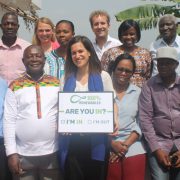
The World Future Council, Bread for the World and CAN-Tanzania hosted a workshop in February Dar es Salaam, Tanzania to kick-off an 18-months project, aiming at exploring the feasibility of 100% RE targets and its implications for Tanzania’s Sustainable Low Carbon Development and Poverty Reduction Goals.

Tigray celebrates Future Policy Award reception

Ethiopia’s Tigray region has received the Future Policy Gold Award this year for their pioneering approach in successfully combatting desertification. Thanks to their policy, the region has made significant progress in restoring its degraded lands and improving its food and water security. The impressive results derived from the major land restoration undertaken by local communities and the regional government, with a  unique combination of collective action, voluntary labour and the involvement of young people.

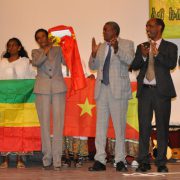
After the Award ceremony on 11th September during the UNCCD summit in Ordos, Inner Mongolia (China), the people of Tigray celebrated the Future Policy Gold Award in their own country. A colorful ceremony was held with 1500-2000 people at Hawelty Martyrs Hall with Tigray’s president, H.E. Abay Weldu, the Speaker of House of Representatives of Tigray region, H.E. Kidusan Nega, H.E. Dr Eyasu Abraha, Minister of Ministry of Agriculture and Natural Resources of Ethiopia and other high-level guests attending, followed by a parade through the Mek’ele, the capital of Tigray.

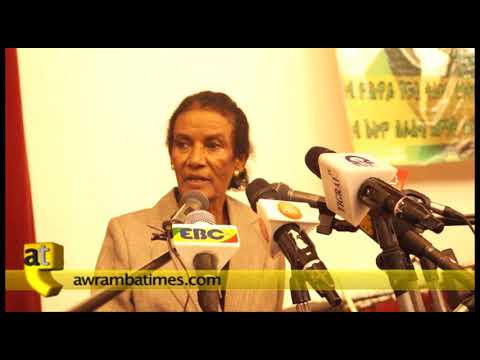
In conjunction with the celebration, the University of Mek’ele (MU), in collaboration with Bureau of Agriculture and Natural Resources of the Regional State of Tigray, organised a panel discussion at Desta Hotel, Mek’ele. The event was opened by a welcoming speech by Prof. Kindeya Gebrehiwot, MU’s President. The event was celebrating Tigray’s achievement, and the panelists were discussing how soil conservation towards land fertility and combating desertification can be further improved and maintained for the future.

‘Alternative Nobel’ and World Future Council Mourn Egypt’s Sustainable Development Trailblazer

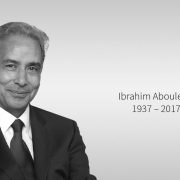
The Right Livelihood Award Foundation and the World Future Council are deeply saddened by the passing of their Egyptian Laureate and founding member Dr Ibrahim Abouleish.

Dr Abouleish, founder of SEKEM, received the ‘Alternative Nobel Prize’ in 2003 for implementing an innovative business model which combines commercial success with social and cultural development.

Dr Monika Griefahn, Chair of the Foundation’s Board, said: “On behalf of the entire Right Livelihood Award family, I would like to express our deepest condolences to the Abouleish family. Dr Abouleish was a true visionary and trailblazer, and the world is only now starting to catch up with his 40-year-old model of environmentally sustainable, socially just and economically viable development. A joyful and warm-hearted person, he will be greatly missed by all of us and his many colleagues and friends around the world.”

Dr Abouleish founded SEKEM in 1977 as a blueprint for the healthy corporation for the 21st century. Taking its name from the hieroglyphic transcription meaning “vitality of the sun”, SEKEM was the first entity to develop biodynamic farming methods in Egypt and has since broadened its scope to address health, educational and cultural issues. Dr Abouleish also founded the Heliopolis University for Sustainable Development where students study science, technology, arts, engineering and economics with a strong emphasis on sustainability. Over the years, SEKEM and the Heliopolis University played host to meetings of the World Future Council and the Right Livelihood Award Laureates.

“Ibrahim Abouleish’s remarkable initiative SEKEM has brought the desert alive. His Heliopolis University broadens the human mind, challenging modern monocultural thinking. Both show how much more humans can achieve when their work is based on cooperation, solidarity, mutual respect and the common good. His life achievements SEKEM and Heliopolis University are pioneering projects healing people and planet,” said Right Livelihood Award and World Future Council Founder Jakob von Uexkull.

A tireless advocate for sustainable development over five decades, Dr Abouleish has received numerous awards and recognitions in addition to the Right Livelihood Award, including the German Federal Cross of Merit and the United Nations ‘Land for Life’ Award. He was also named a distinguished social entrepreneur by the Schwab Foundation.

According to Islamic traditions, Dr Abouleish will be buried tomorrow, Friday, 16 June at 12:00.


More information:

http://www.rightlivelihoodaward.org/laureates/ibrahim-abouleish-sekem

https://www.worldfuturecouncil.org/councillors/


100% Renewable Energy for Sustainable Development

Abstract

Sustainable development can only be reached by transitioning to 100% Renewable Energy (RE). This paper describes the vital relationship between renewable energy (RE) and sustainable development. In particular, it demonstrates how supporting the transition to 100% RE is both a necessary condition and a driver for sustainable development that leaves no one behind.

In fact, 100% RE is more than just replacing fossil with renewable sources in today’s energy system. It can serve as a means for socioeconomic development and help create an equitable society for today’s and future generations.

Full Report (96 pages)

Download Summary (24 pages)

The climate cost of 100% renewable energy

At the COP 21 in Paris, the international community agreed on an agenda to cut greenhouse gas emissions to a level that will limit the rise in average global temperatures to 1.5°C. On 5 October 2016, the threshold for entry into force of the Paris Agreement was achieved. For a likely chance to stay below a rise of 1.5C, we have to reach zero emissions by 2050.

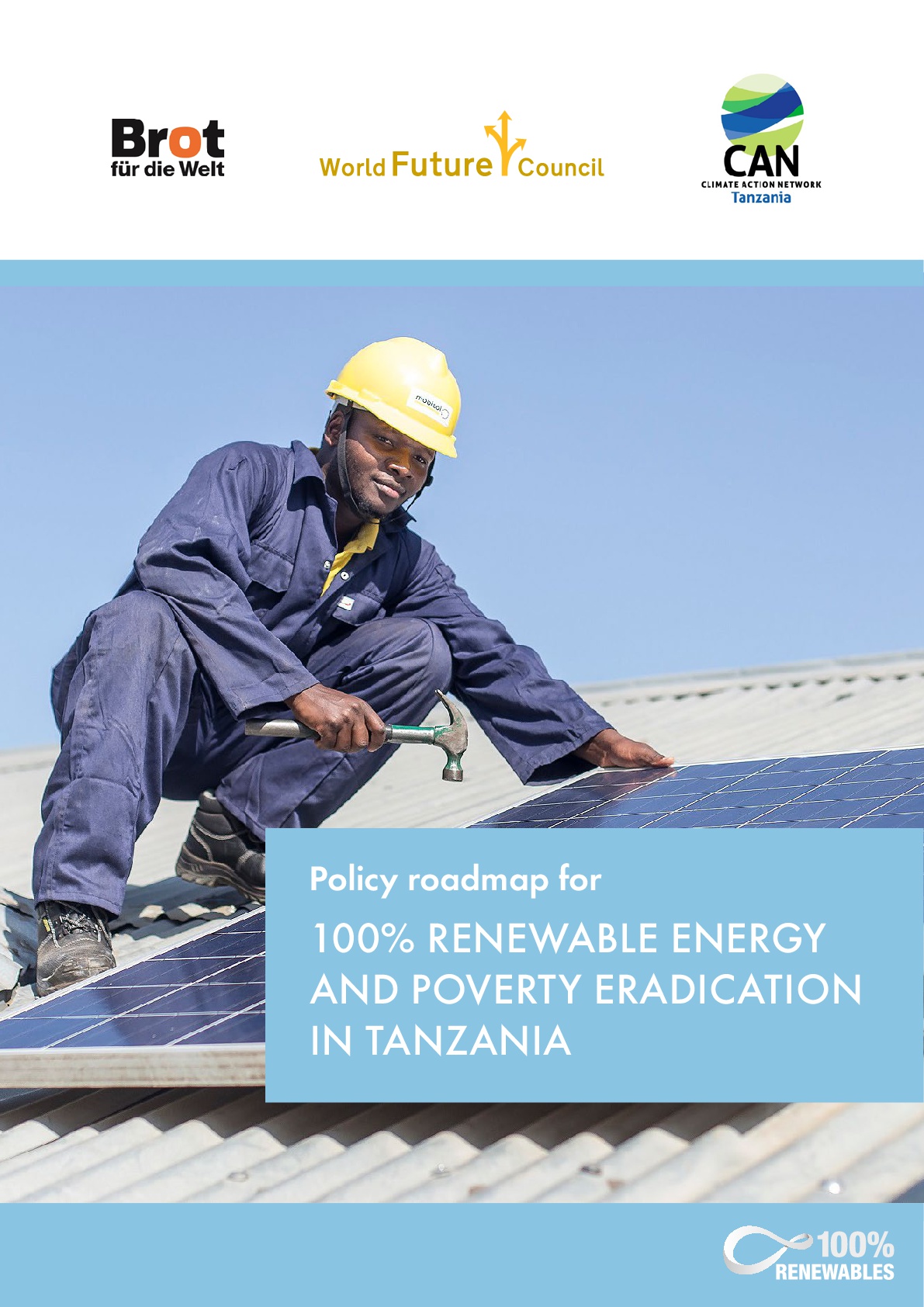
Policy Roadmap for 100% Renewable Energy and Poverty Eradication in Tanzania

HBS Report Study Cover

Abstract

In November 2016 at the UN COP22 in Marrakesh/ Morocco, 48 countries committed to strive to meet 100% domestic renewable energy production as rapidly as possible while working to end energy poverty, protect water and food security, taking into consideration national circumstances. These 48 countries are among the most vulnerable countries and are united as the Climate Vulnerable Forum (CVF). Tanzania is one of these countries.

This report suggests concrete political measures and outlines necessary governmental action to operationalize the target. It captures reflections, experiences and concrete recommendations articulated by Tanzanian stakeholders to scale up Renewable Energy (RE) while spurring sustainable development and eradicating poverty in the East African country.

Full Report

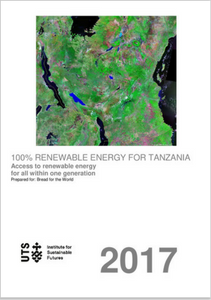
Scenario: 100% RE for all in Tanzania

TZ BfdW Report Study Cover

Abstract

By deploying 100% renewable energy, Tanzania can provide access to reliable energy for all its citizens, while increasing living standards to the level of industrialized countries by 2050. This is the conclusion of a scientific study that is released today in Dar Es Salaam by the Institute for Sustainable Futures (ISF) of the University of Technology Sydney (UTS), Climate Action Network Tanzania (CAN Tanzania), Bread for the World and the World Future Council (WFC).

The study also reveals that generating electricity from renewable sources is about 30% cheaper than from fossil resources.

Full Report

Enhancing Regional Renewables Cooperation in the EU

HBS Report Study Cover

Abstract

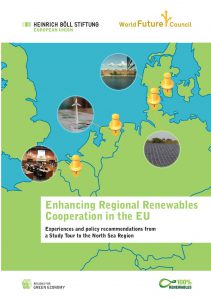
In five days in September 2016, 13 policy-makers and -shapers from 8 countries travelled 1,500 kilometres from Denmark via Germany and the Netherlands to Belgium.

Their mission? Exploring what regional cooperation means in practice and
how it can boost renewable energy in Europe.

This report presents their key insights, presents the learnings from the visited projects and summarises the main policy recommendations for decisionmakers on local, national and European level.

Full Report

Policy Recommendations for European policy makers:

Policy Recommendations

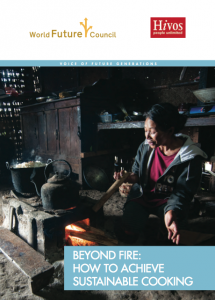
Beyond fire: how to achieve sustainable cooking

Abstract

Across the world, 3 billion people rely on traditional biomass fuels, such as firewood, charcoal or animal dung to meet their energy needs for cooking, causing serious adverse consequences for the environment, health, and economic development of the population.

Reliance on wood and charcoal for cooking has a number of well-recorded negative effects, including deforestation, soil erosion or loss of biodiversity. Exposure to household air pollution from cooking with solid fuels causes 4.3 million premature death according the World Health Organisation.

We need a breakthrough transition towards truly long-term, sustainable solutions which do not leave anyone behind. To inform and push the discussion beyond wood and charcoal-based solutions, this broad analysis on sustainable cooking suggests how the various renewable energy technologies could help accelerate this transition. The goal of this report is not to prove that a particular pathway will ever fully or exclusively replace the use of traditional biomass for cooking purposes: rather, the goal of the report is to critically evaluate the various different technological pathways and the barriers along the way.

English

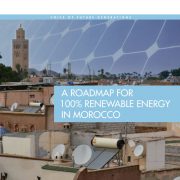
A roadmap for 100% RE in Morocco

Roadmap-for-Renewable-Energy-Morocco

Abstract

Morocco, COP22 host country, has since 2009 prioritised renewable energies and energy efficiency. Aware of the nature of the opportunities and stakes confronting its energy landscape, the nation has mobilised to share the message about the urgency and advisability of changing the pathway.

In order to address the complexity, challenges and opportunities of the energy challenge, the World Future Council organised a process of reflection for Moroccan actors playing a leading role in this transition: parliamentarians, political actors, academics and civil society. The round tables and conversations we organised between 2014 and 2016 are reflected in this report. We also highlight solutions for putting into place a coherent political framework which allows the materialisation of a 100% renewable energy Morocco.

English
 
Français

Seizing the Solar Energy Revolution in Tanzania

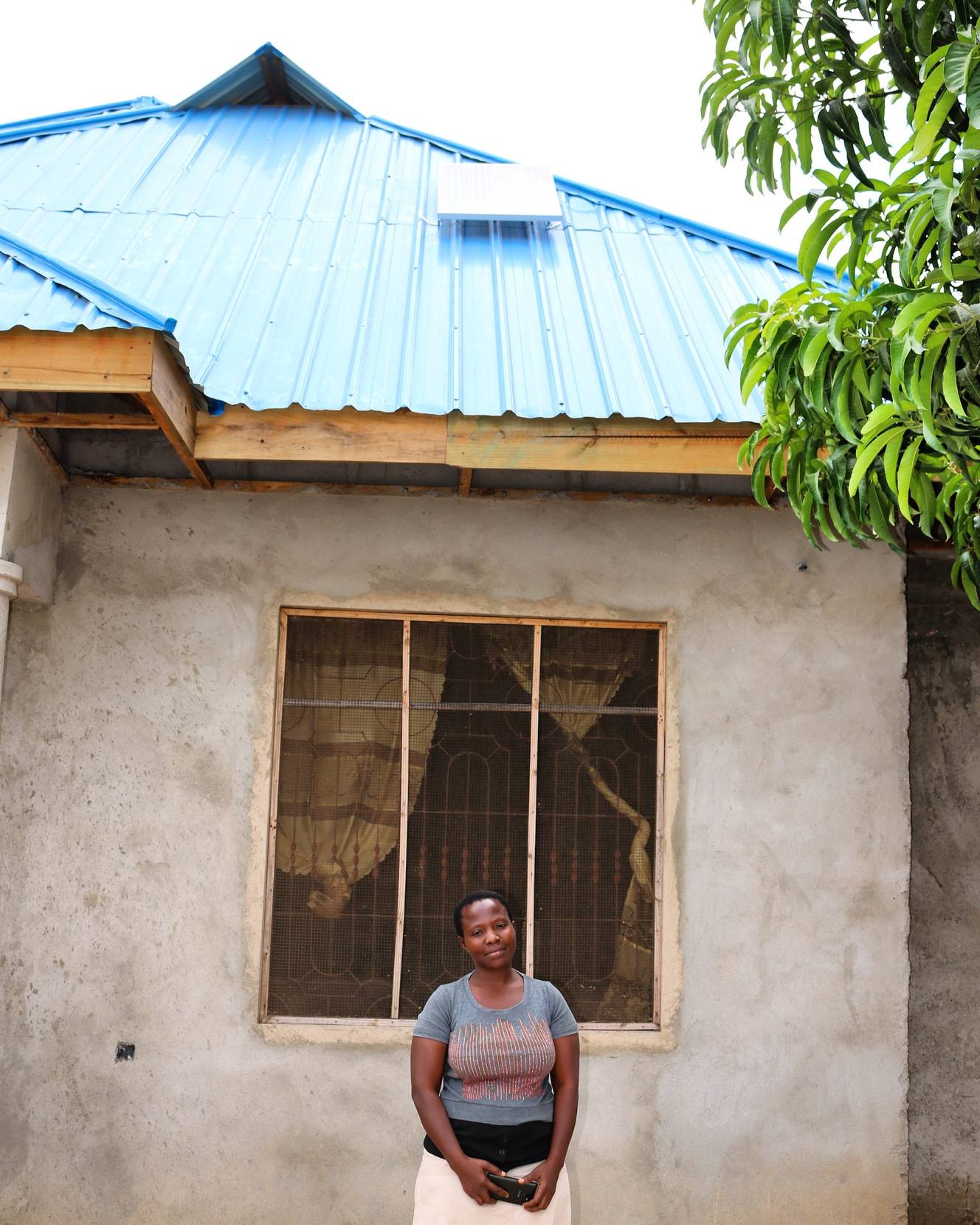
When Ajuna Kagaruki and her husband built their new house in Mabwepande, a suburb of Dar es Salaam in Tanzania, it was not an option to wait for the government to connect the area to the national grid. Instead, they decided to take action themselves in order to have electricity for their life with the three children. Today, a 120 kwh Solar Home System (SHS) lights the house, powers a TV and an iron and charges their mobile phones.
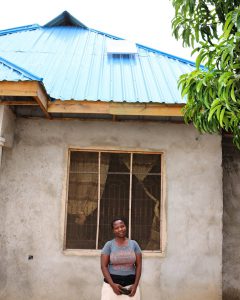
A. Kagaruki in front of her house with SHS. Image by Carmen Rosa

A. Kagaruki in front of her house with SHS. Image by Carmen Rosa.

“When we moved in here, there was no electricity. That was hard. My children were bored and the two older ones could sometimes not finish their homework in the evening.” Ajuna Kagaruki is 35 years old, works as a social welfare officer and on top of that, just accomplished her Master’s degree. Her husband is a lawyer. “Even though we had a nice house, we could not enjoy family life here, because it was dark when we all got home.” With this experience, Ajuna Kagaruki and her family are not alone in their country. In Tanzania, only 26% of households have access to the national grid. And only 11% of people in rural areas and 40% in urban areas have access to electricity at all.

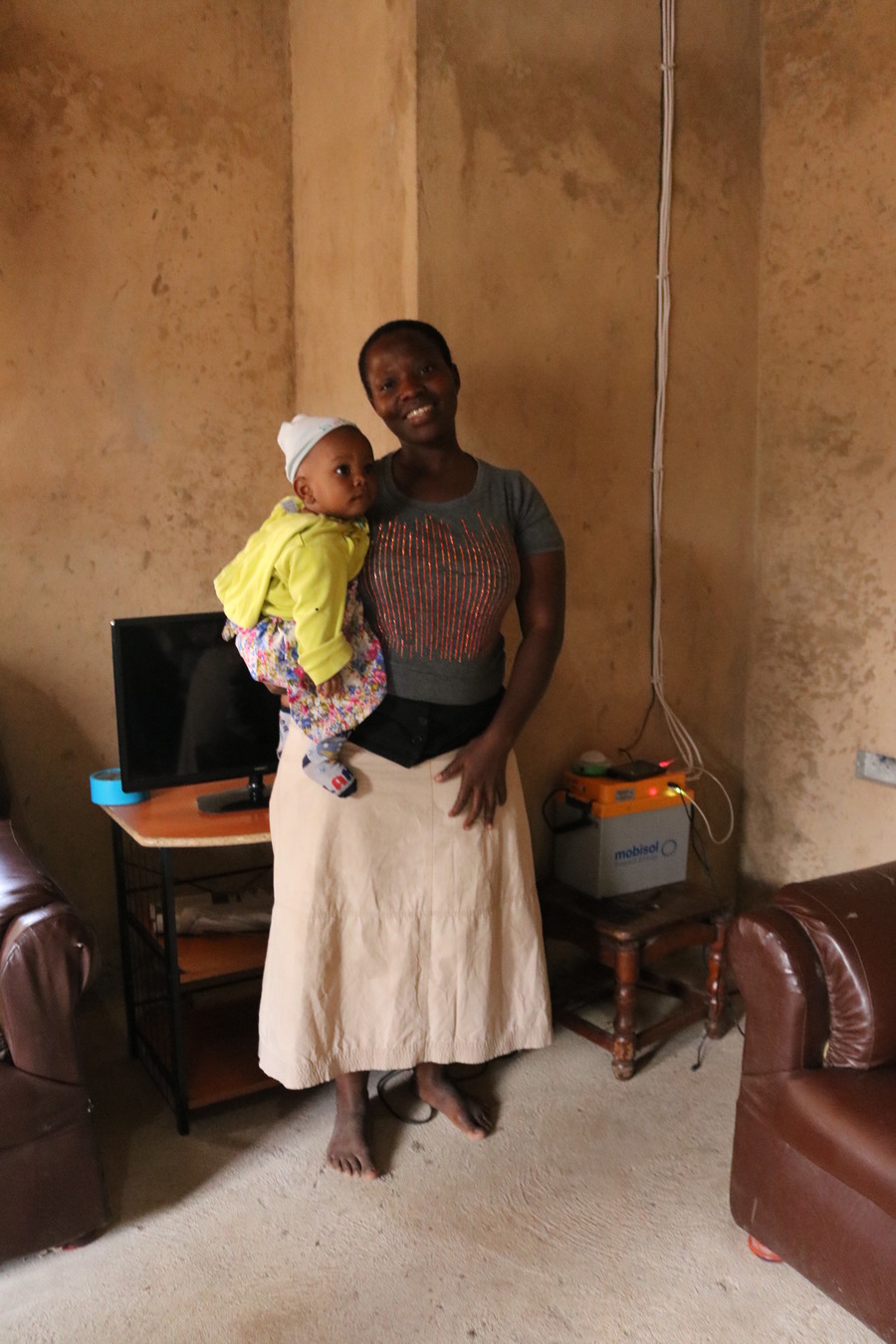
Ajuna Kagaruki and her family changed this situation for themselves. A few months ago, they decided to buy a Solar Home System (SHS). While Ajuna knew about the technology before, she wasn’t convinced to install it, because she heard a lot of stories about bad services and technical problems. This situation is also very common in Tanzania. As there is a lack of expertise for the technology, a lack of trained employees as well as no quality standards for solar equipment, many installations fail or need intense maintenance. However, Ajuna Kagaruki came across one company, who was supposed to offer good and reliable after-sales service. “When the Mobisol technician explained me how the system worked, I was surprised how easy it is. I can actually handle it myself and if I need support, there is always a team to contact.”

A. Kagaruki and her daughter in front of the TV and solar battery. Image by Carmen Rosa

A. Kagaruki and her daughter in front of the TV and solar battery. Image by Carmen Rosa.

Mobisol was founded 5 years ago, starting in Arusha in 2011. In 2013, the company had hired 30 people and 500 customers across Tanzania. Today there are about 400 employees in the country (about 200 sale agents, 150 local technicians, training technicians and assemblers) and 37.000 customers. All employees are trained by Mobisol in their academy centers is Arusha, Mwanza and Mbeya. “Especially finding good sales agents is difficult. Technicians, we usually find through universities or vocational trainings”, says one Mobisol staff member. The SHS are designed for households and small commercial use and are based on a rent-to-own idea: After a down payment of 8%, the customer makes a monthly payment for a maximum of three years. If a customer does not pay the monthly rate, which is done through M-Pesa, the system is locked down. When the full amount is paid off, the customer owns the system and produces electricity for free.

While Ajuna knew about the technology before, she wasn’t convinced to install it, because she heard a lot of stories about bad services and technical problems. This situation is also very common in Tanzania. As there is a lack of expertise for the technology, a lack of trained employees as well as no quality standards for solar equipment, many installations fail or need intense maintenance.

Ajuna Kagaruki’s 120 kwh SHS costed the family 163.000 TZS (about 76 USD) for the upfront payment and about 70.000 TZS (about 32 USD) for the monthly payment. “I am enjoying the light in the evening, watching TV and having a charged mobile phone whenever I need it. My older kids can do homework also at home and sometimes they even bring their friends to play after school.”

The Tanzanian government is aware of the fact that energy is the prerequisite for development. “We want to tackle the challenges that so many people in our country are facing every day,” says Doto Mashaka Biteko, Member of the Tanzanian Parliament and Chair of the Energy and Minerals Committee. “Therefore, the government is aiming to provide access to 50% of the population by 2020.”  And Mwanahamisi Athumani Munkuda, Clerk to the Parliamentary Committee Energy and Minerals adds: “The parliament has allocated 53% of the national development budget – which is about 1.13 trillion TZ Schilling – for energy issues.”
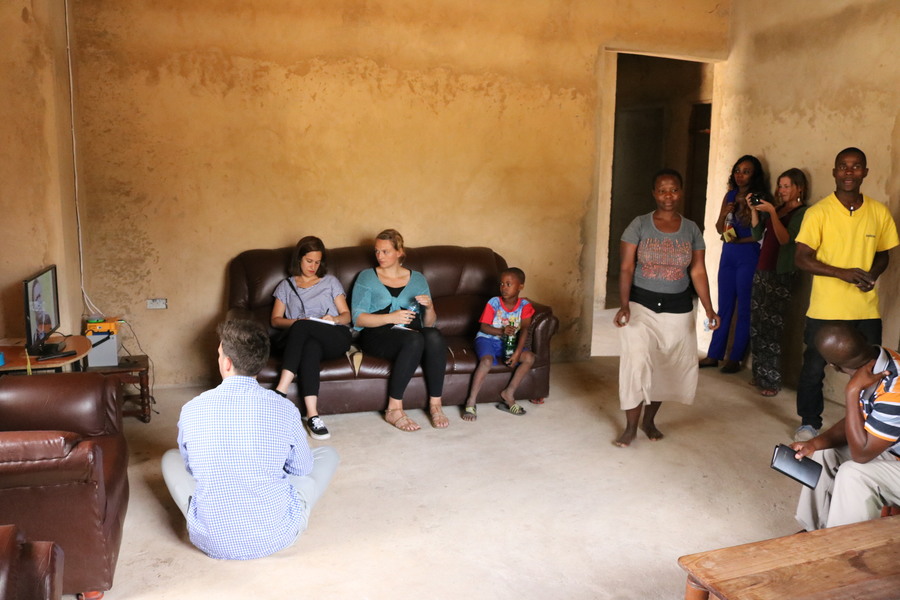
Watching a TV running on solar power. Image by Carmen Rosa

Watching a TV running on solar power. Image by Carmen Rosa.

The National Energy Plan from 2015 unveils how this should be achieved and what the money should be spent for. “In fact, looking at the government’s strategy for enhancing access to electricity, it is mainly about expanding the national grid,” says Sixbert Mwanga, Head of Climate Action Network Tanzania (CAN Tanzania). “However, renewable energies provide a unique window of opportunity to transform the electricity production and supply of Tanzania. Examples from across the world actually show that a decentralized approach, based on off-grid and on-grid solutions, is much cheaper and delivers faster.” CAN Tanzania, in cooperation with the World Future Council and Bread for the World, is currently developing policy recommendations for transiting to 100% Renewable Energy as a mean to reduce poverty in the country.

Ajuna Kagaruki shares this experience: “The government says that the national grid will be extended to our area within the next 3 years. But I couldn’t wait that long to have electricity for my family. And now, even if we get connected to the grid, I would continue with our SHS, because by then, I will produce my electricity for free.”

Authors

Anna Leidreiter, Senior Programme Manager – Climate, Energy and Cities, World Future Council

Irene García, Policy Officer, Climate, Energy and Cities, World Future Council