World Future Policy Award 2027
Call for Nominations now open!
Education for Sustainable Development in Cities
The World Future Policy Award (WFPA) celebrates top policy solutions for present and future generations of all life. As the world’s premier policy prize, we raise global awareness for exemplary laws and policies — showcasing inspiring, effective policies rather than people — and accelerate policy action toward a just, sustainable, and peaceful world. Each year, we focus on one topic where progress is particularly urgent and receive nominations from across the globe.

About the 2027 Award
The World Future Policy Award 2027 will celebrate outstanding city-level and local policies that advance education for sustainable development in cities— a cornerstone of sustainable development, peace, social cohesion, and active citizenship.
The Award will highlight how cities can support informed and empowered learners who contribute to sustainable, inclusive, and resilient societies, through intergenerational learning and education across generations.
Sign up for the Nominations Mailing List to receive updates.
Why Education for Sustainable Development in Cities?
At a time of rapid technological, social, and environmental change, coupled with increasing urbanisation cities are at the centre of both challenges and solutions. Education for sustainable development plays a key role in equipping individuals and societies with the knowledge, skills, and values needed to address these complexities.
Cities and municipalities shape resilient and equitable communities. They can create inclusive learning opportunities for all residents, across neighbourhoods, generations, and stages of life, enabling people to adopt sustainable lifestyles and contribute to sustainability action.
The 2027 Award will recognise local policies that empower people through lifelong learning to build peaceful, inclusive, and sustainable urban societies — including greening cities, digital inclusion strategies, and civic participation mechanisms such as participatory budgeting. We particularly welcome nominations of local and Indigenous frameworks and provisions.
By showcasing these forward-looking policies, the Award aims to inspire mayors, city councils, and local leaders worldwide to strengthen lifelong and intergenerational learning systems, and to make learning a defining feature of vibrant, inclusive, and resilient cities.

sustainable futures. Education for Sustainable
Development empowers people of all ages to shape
inclusive, resilient and peaceful communities.
As UNESCO Learning Cities across the globe showcase,
municipalities can embed lifelong and intergenerational
learning at the heart of urban life – making sustainability
a shared responsibility and reality for all.’
Director of UNESCO Institute for Lifelong Learning

economic and environmental dimensions of the choices shaping their communities.
In cities, where many of today’s challenges and opportunities converge, it can
equip citizens—especially young people—to participate meaningfully in public
life and help create more inclusive, resilient and sustainable communities.
Parliamentarians have a vital responsibility to make this possible:
through forward-looking legislation, adequate public investment
and oversight, while strengthening coordination between national
parliaments, city governments and local authorities. They can ensure that
education develops not only knowledge and skills, but also the
values, critical thinking and sense of shared responsibility needed
to shape a sustainable future for present and future generations.”
Secretary General of the Inter-Parliamentary Union (IPU),
WFC Councillor

in cities lies in empowering people to learn together,
act together and shape sustainable futures across generations.
It nurtures the courage, values, orientation, and capacity for
cooperation that cities and communities need to face major
changes actively rather than reactively, and to turn sustainability
and climate action into a shared civic practice.”
Entrepreneur, WFC Co-Founder

binding rules and trust-based cooperation. For transformative
education for sustainable development in cities, this means
that learning spaces should not be limited to schools and
universities, but should also be rooted in neighbourhoods,
municipalities, civil society initiatives and participatory
processes. Education for Sustainable Development becomes
effective where people all ages learn together, take responsibility
and help shape socioecological transformation in their immediate
living environment. Cities and Communities play a key
role to advancing the transformation we need”.
Political Economist, WFC Councillor

and communities must cultivate a sense of responsibility
that reaches beyond the present and beyond humanity alone.
By connecting community-based learning, civic engagement
and lifelong education, it can help people recognise themselves
as part of a wider living world and act with care for the generations
of humans, species and ecosystems yet to come.”
CEO World Future Council

alone, but by citizens who learn together to care for their
communities and steward their common future. Education for
sustainable development must therefore grow from lived realities,
local knowledge and civic participation, empowering people to
transform the challenges of urbanisation and climate change
into opportunities for resilience, justice and shared prosperity.”
Mayor of Cotonou (Benin), WFC Councillor

Education for sustainable development in cities should
empower people to create regenerative cities that replace linear
patterns of resource use with circular systems, replenish the
natural foundations on which cities depend, and repair the
damage already done.”
Cultural Ecologist, Co-founder of the World Future Council,
Member of the Club of Rome

build, but by the citizens we empower. Education for Sustainable Development
must extend beyond classrooms into communities, digital spaces, civic institutions
and every place where people learn, collaborate and shape the future together.
When young people are trusted to co-create solutions, participate in decision-
making, champion civic responsibility and influence participatory budgeting,
they become architects of cities that are more resilient, inclusive and sustainable.
Executive Director
United Youths 4 Environmental Sustainability Initiatives UY4ESI,
WFC Youth:Present - Representative (Nigeria)

root in communities. It should equipe learners with knowledge, practical skills,
and the opportunity to shape local solutions, by treating them as equal problem
solvers and decision makers. When communities provide opportunities for
participation, practical learning, and accessible digital tools, young people move
from being beneficiaries of change to becoming co-creators of resilient,
sustainable futures. Real sustainability is built where people live, learn,
and grow.”
Founder PaTree Initiative, Climate Advocate
WFC-Youth:Present - Representative (Kenia)
Contact
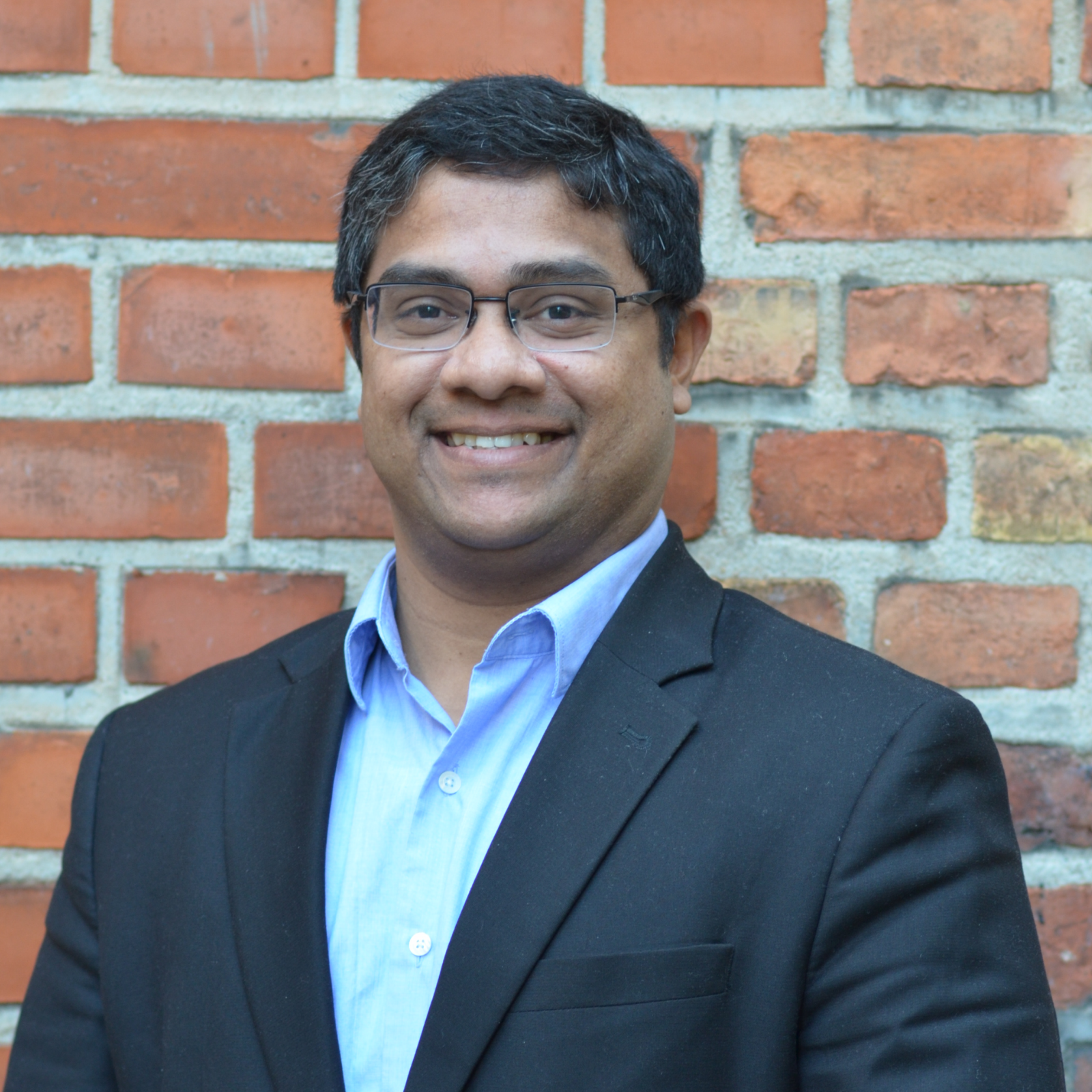
Neshan Gunasekera
Chief Executive Officer
+49 (0) 40 3070914-0
neshan.gunasekera@worldfuturecouncil.org

Samia Kassid
Senior Programme Officer
+49 (0) 40 3070914-0
samia.kassid@worldfuturecouncil.org
Partners

This project is made possible with the financial support of

SUPPORTERS

NEWSLETTER